The University of Mississippi on Monday announced the upcoming launch of its new College Betting Center, which researchers describe as “the first of its kind in the nation” amid growing national concern about betting on college sports.
The center was approved by the Board of Directors of Higher Education Institutions in February and will cost about $700,000 a year. It was conceived to study the “increased risks” to college students and student-athletes caused by the rapid growth of legalized sports betting and online gambling, its founders said. Investigators said the center will now begin hiring staff.
The IHL's approval of the center follows the release of survey results by University of Mississippi researchers showing that 39% of Mississippi college students played games in a variety of formats over the past year. Of those who participated in sports betting, 6% of Mississippi college students met problem gambling criteria defined by the American Psychiatric Association.
“We truly believe this is an issue affecting Mississippi as a whole,” Hannah Allen-King, executive director of the university's William Magee Institute for Student Wellness and assistant professor of public health, said in a news release. “And so, we're trying to work with our legislators as they debate policy changes around gambling in the state.”
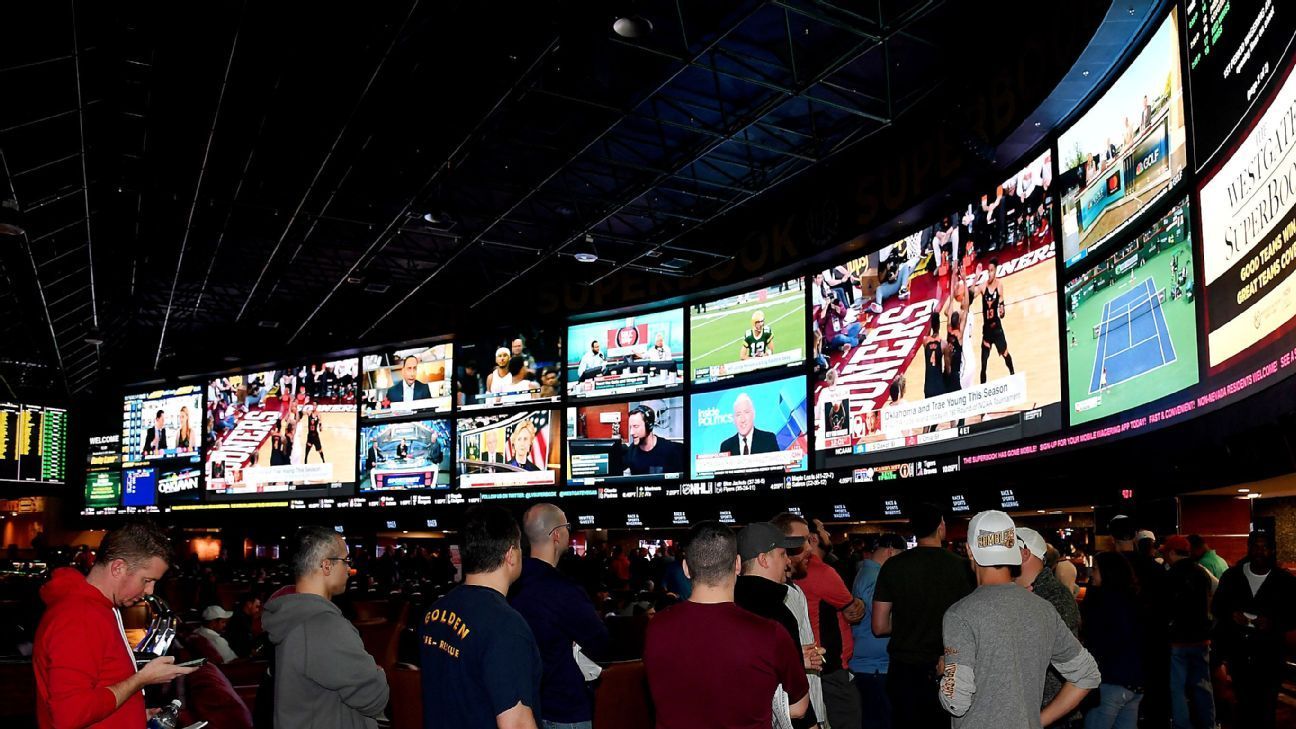
Commercial sports betting was effectively banned, with some exceptions, until 2018, when the U.S. Supreme Court overturned a 1992 ban. Mississippi now allows sports betting, but only inside casinos.
After the 2018 U.S. Supreme Court decision, sports betting companies launched a press lobbying campaign to bring sports betting to tens of millions of mobile phones across the country, an effort considered the fastest expansion of legalized betting in U.S. history. The companies have spent money lobbying state lawmakers, including those in Mississippi.
But Mississippi remains one of the few holdout states, largely due to fears that legalization could hurt the bottom lines of the state's casinos and increase the prevalence of gambling addiction. That hasn't stopped a thriving black market from taking root in the state.
By 2024, illegal online gambling in Mississippi accounted for about 5% of the national illegal market, representing about $3 billion in illegal gambling in Mississippi, advocates said that year. Supporters of legalization say people will place sports bets online regardless of whether the practice is legal, so the state should regulate and tax it.
The state House voted, for the third year in a row, to legalize mobile sports betting during the current 2026 legislative session. But Senate leaders have said they plan to let the measure die again.
However, college campuses have become hubs of activity for sports betting and, increasingly, gambling addiction. This has led to calls to investigate the growth and impact of mobile sports betting on young adults. The new center will aim to produce this type of research, which its founders say is lacking without a national research center in the U.S. dedicated exclusively to the study of collegiate gaming.
The academic research will focus on the gambling behaviors of college students, from card games to proposition bets and prediction markets. The center will also promote “evidence-based policies and programs to prevent harm,” including training counselors to help students who struggle with gambling.
Eight counselors at the University of Mississippi have already received certification that will better equip them to identify gambling addiction in students, researchers said.
The rise of college gaming has also led to an increase in threats directed at athletes, whose performance is now closely monitored by players.
“In a state like Mississippi, where we don't have many professional sports teams, college sports are such a big part of our culture, and a large portion of our state's population follows and cares about college sports,” Allen-King said. “We have seen that it can affect the mental health of student-athletes who are threatened and harassed because people are losing money due to their performance during games.
Daniel Durkin, an associate professor of social work who is also one of the center's founding members, said raising awareness about the prevalence of sports betting on college campuses will be a central goal.
“Part of the problem right now is that everyone is having a good time,” Durkin said. “Look at the ads: gambling is fun. Everyone does it. The seriousness of the problems has not yet come to the fore, but it is just a matter of time.”