W.With the lunar new year now upon us, there is no better time than this festival to immerse yourself in your full Chinese self and understand what this season requires of you and what superstitions you may want to keep in mind. Growing up in a Chinese family in Singapore, my year was constantly marked by various traditional celebrations and rituals, and never again at the beginning of the new year.
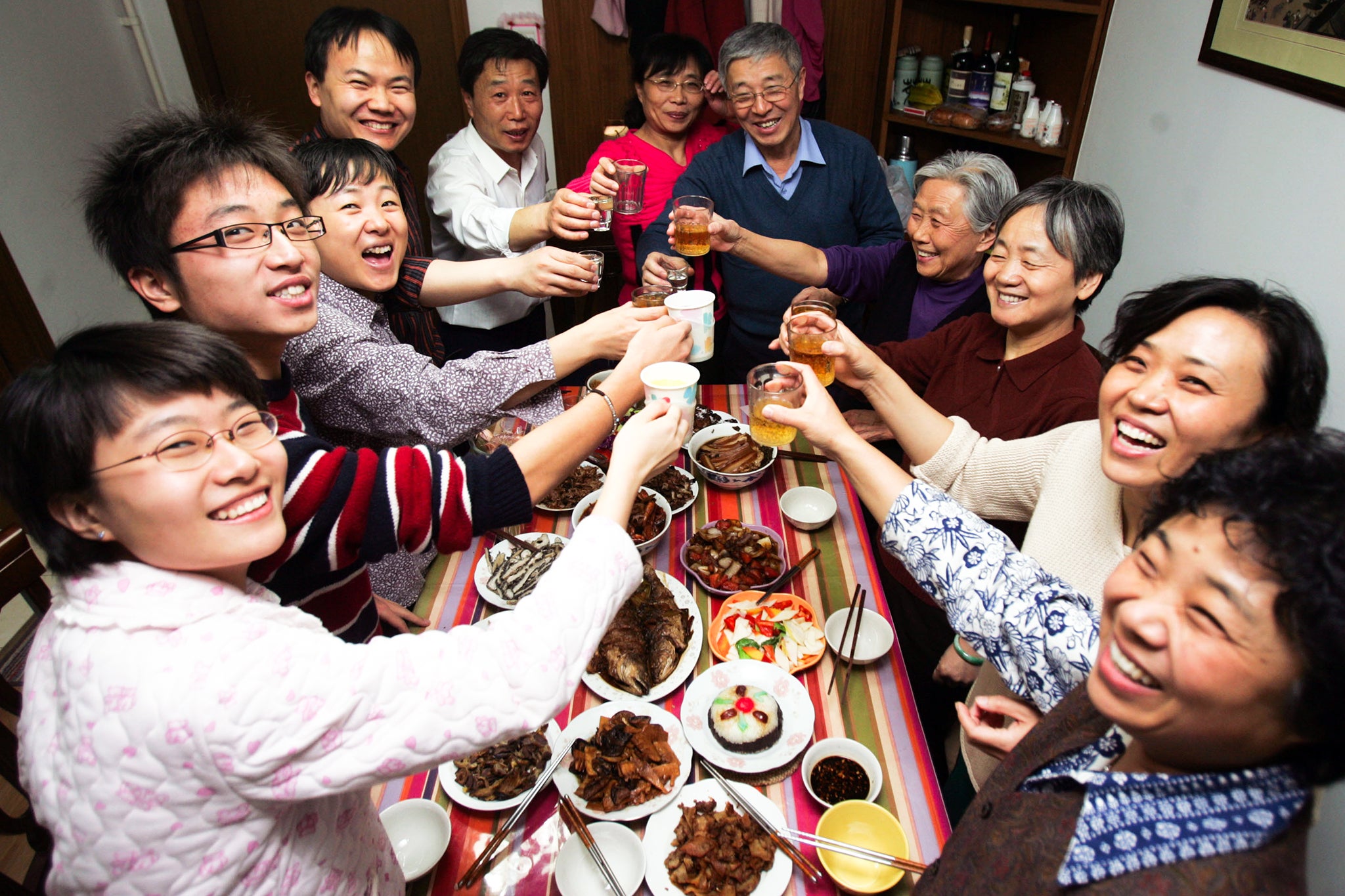
The lunar new year is about sweeping away the old and welcoming new, positive energies, such as good health and wealth. Also known as the Spring Festival, it marks the beginning of a new year in the traditional lunisolar calendar. The first day of the new year begins with the new moon and ends with the full moon. The first two days of the new year are when I focus my attention the most, faithfully following the long list of dos and don'ts.
According to Chinese custom, dusting and sweeping are not allowed during the 15 days of the new year period…otherwise you will be sweeping away good fortune and prosperity. While I'm only picky about this the first few days of the new year, I still maintain the tradition of not cutting my hair for the entire 15-day season. The Chinese word for hair is synonymous with prosperity. So cutting your hair means taking the risk of cutting off fortune and wealth. This is also the reason why we don't wash our hair on the first day of the new year; We don't want to erase what the year may bring.
Wearing red clothing is also considered to guarantee good luck and protection against evil spirits. We must avoid black and white, colors of mourning. Don't take out the trash and avoid lending money: you will be breaking your connection with good fortune, which will fade away during the rest of the year. And no crying or arguing the first day; It could mean conflict all year round.
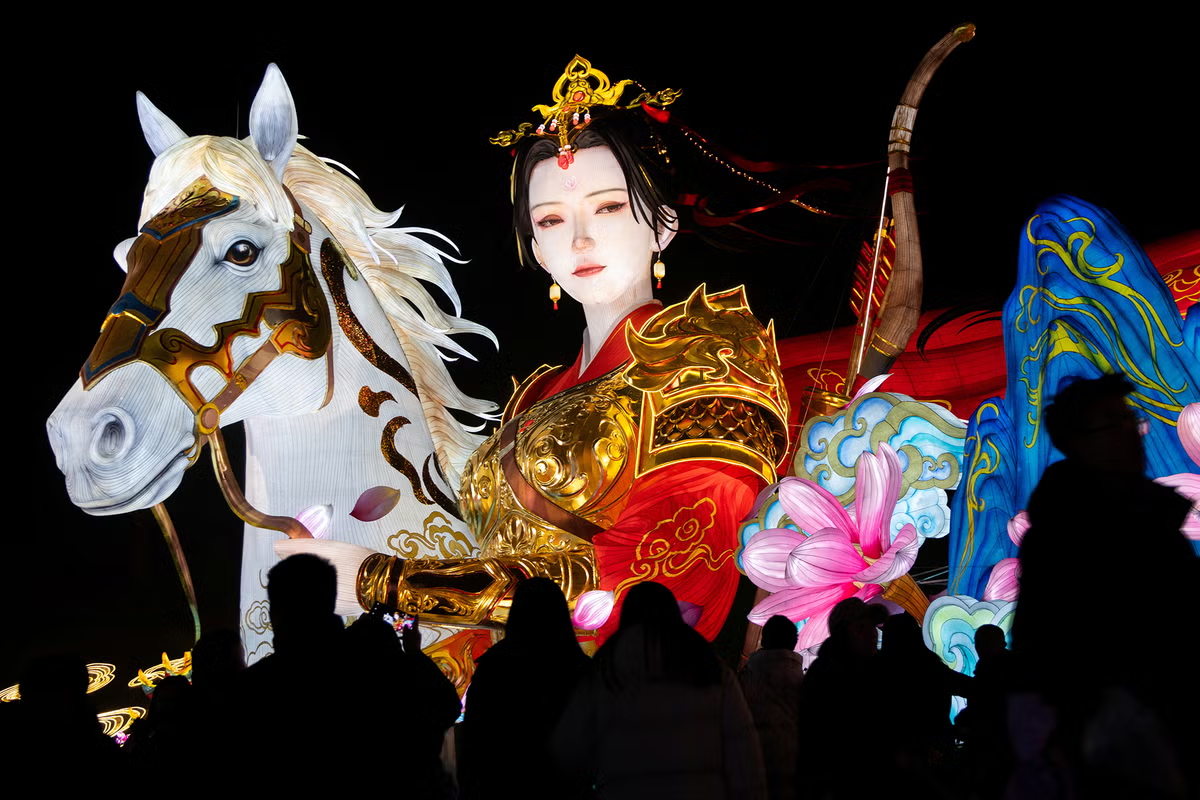
The week leading up to the first day of the new year will have been full of preparations: meal planning, dusting and cleaning. This Year of the Fire Horse, according to Chinese metaphysics, is full of bold momentum and transformation, but also rebellious and combustible. The combination of the horse zodiac animal and the fire element is considered rare and intense. One of my friends commented that “it makes me want to go to bed.”
When I was a child, during the new moon and full moon lunar phases, we had to eat vegetarian food during the day, a traditional practice in Buddhist culture. The many gods of Chinese culture (the Goddess of Mercy, the Goddess of the Sea, the God of the Kitchen are just the tip of the iceberg) remind me of Christian saints: Saint Francis of Assisi, the patron saint of animals, the environment and ecology; St Jude is the place to go for lost causes; and Santa Cecilia for music and musicians. There is a god for everything.
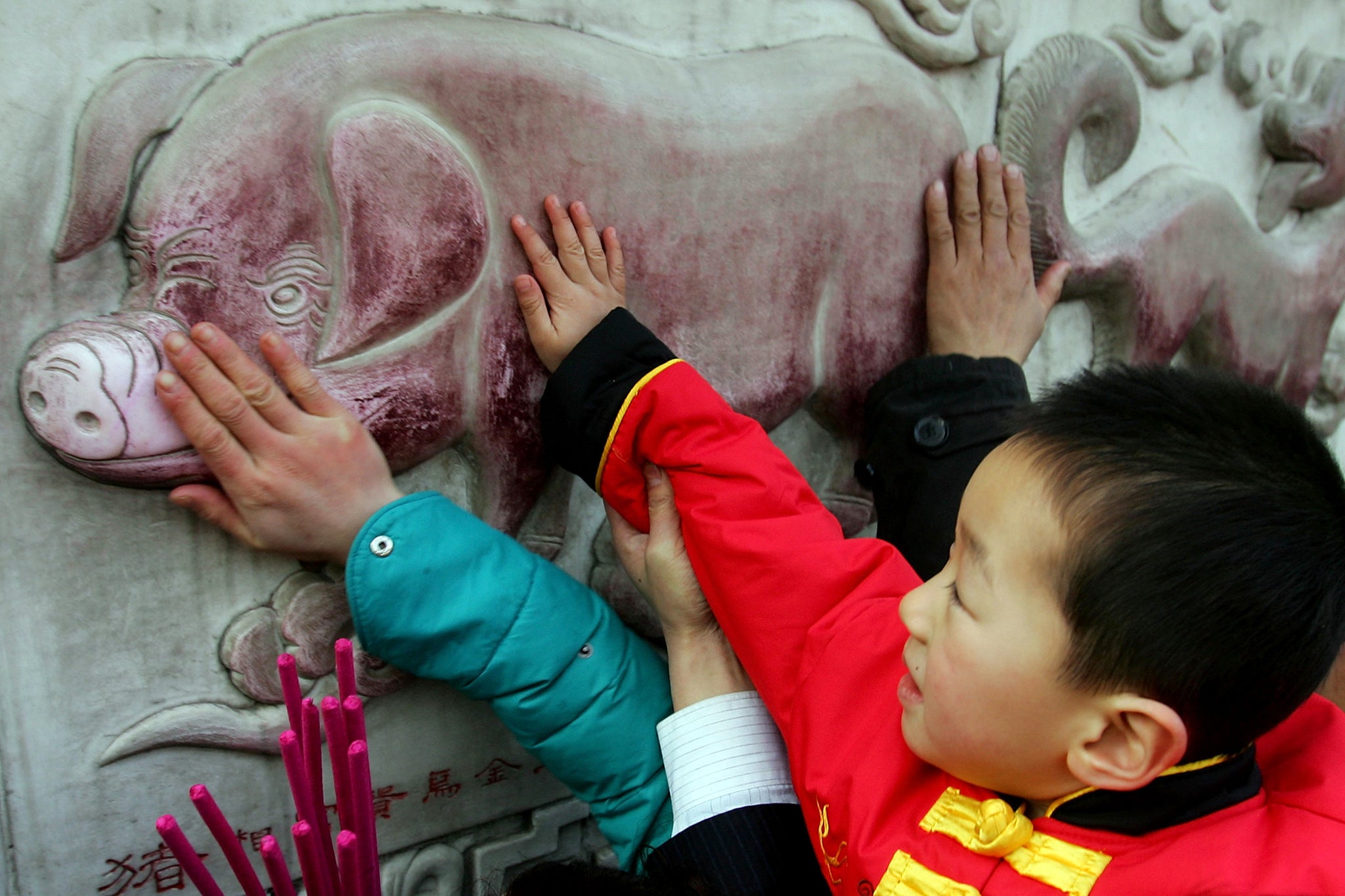
Malaysian-born American comedian Ronny Chieng has an entire monologue section about our obsession with the “God of Money” (Caishen). When my brother moved into his new house, he rolled a pine cone as he opened the door, symbolizing the arrival of prosperity and good fortune. I have heard of some people placing a pine cone in every corner of their new home, for the fullest and most complete blessings, and also because it is quite fun.
Myths, history and legends are interwoven in the customs and stories passed down from generation to generation. Asian children are scolded for pointing at the moon, as it is disrespectful to point out the Moon Goddess who lives there. Food should never be placed on the floor; They have to go on the table. Not only for hygiene reasons, but also out of respect for food. Of course, there is always symbolic meaning attached to these common sense practices. Putting food on the ground is interpreted as treating blessings carelessly, which is believed to bring bad luck. The God of the Kitchen is always watching.
It was while I was idly scrolling through Instagram that I was stopped by a post that seemed to know all these things about me. “If you want to be more Chinese, here are 10 things you need to know.” Why did he ask me to be Chinese? I'm Chinese! Yes, I do all the things in the post and more. After doing a little research, I learned about the new trend of Chinamaxxing: people who now declare that they are in a very Chinese moment in their lives.
At first I wasn't sure if it was racism or cultural appropriation. But Chinamaxxing, in truth, seems to be a celebration of Chinese culture rather than a critique. Sherry Zhu, a Chinese-American TikTok content creator, was influential in popularizing the trend. Laugh-out-loud memes, informative posts about traditional Chinese medicine (TCM), absurdist humor (5,000 years of Chinese culture in one meme), possibly 8,000 years if this archaeologist is proven right. How amazing is that?
When my Chinese family and friends visit us in London, they always whisper and ask me for a glass of warm water, as if it were a dirty secret. Thanks to Chinamaxxing, everyone and their Pekingese are now well aware of the benefits of warm water. Irrationally, I now feel self-conscious when I drink warm water. Even when I'm alone in the kitchen.
However, my evolution into a full-fledged Chinese aunt has been gradual. When I hit perimenopause, I started using dong quai (also known as female ginseng) to help me overcome brain fog and hot flashes. Remembering the wisdom exchanged between my grandmother, mother and aunts, I began to shift my Chinese frequency to its maximum. My collection of medicinal oils expanded. To my lone tiger balm ointment, I now added Ax brand universal oil, red flower oil, and nutmeg oil. In Chinese medicine there is an oil for every ailment. And yes, I follow the saying that if it still hurts, apply more.
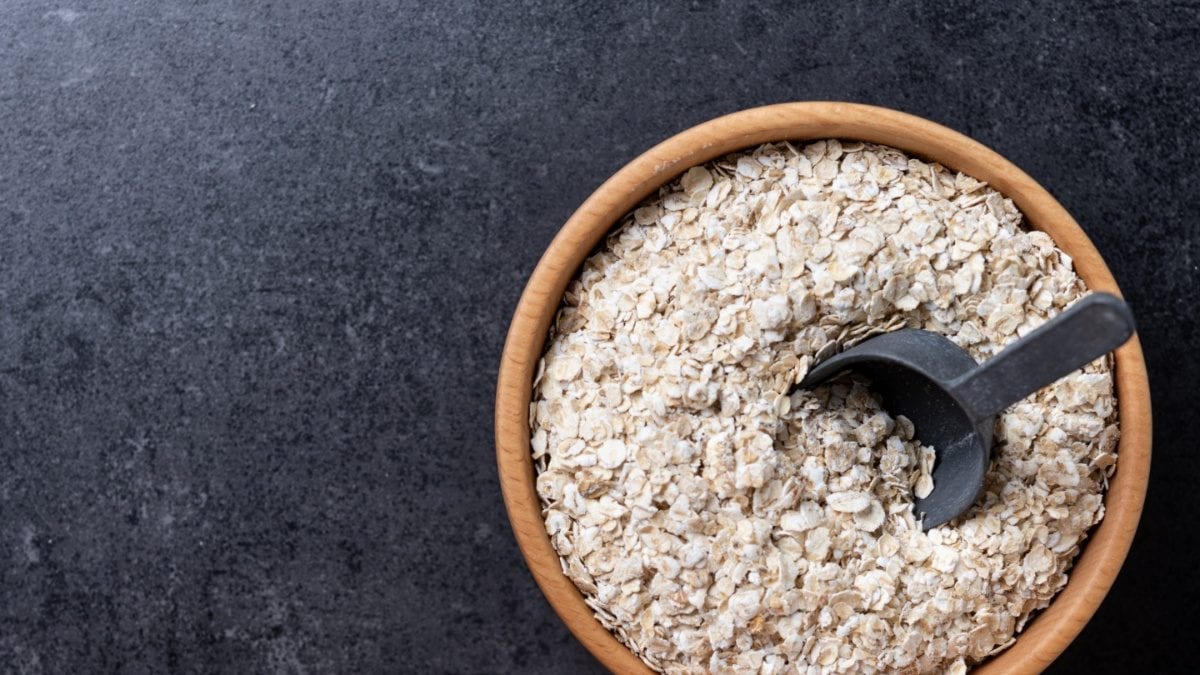
For all middle-aged Chinese aunts, food and well-being are the same. Food contains energetic properties and the body's yin-yang balance must be maintained. The cucumber is getting cold. Fried food is hot. Rice goes with everything, and for breakfast, lunch and dinner. Does generic long grain rice taste like nothing but fragrant jasmine rice? Now that He is the king of rice.
Food is central to Chinese culture and is often on our minds. When the post-apocalyptic series the last of us was in the air, and people were reeling from the Cordyceps fungus that turned humans into violent creatures, my immediate thought was, “Eat the cordyceps, damn it! They're really tasty in an herbal soup.” Cordyceps is a highly prized traditional Chinese medicine.
In the more than 25 years that I have lived in London, it has not always been easy to live my Chinese identity under a Western gaze. Therefore, it is liberating to see Generation Z embrace Chinese culture, and their curiosity and interest encourage me to fully experience my Chineseness in broad daylight. Hopefully, Chinamaxxing is more than just a fad and will endure beyond the Year of the Fire Horse. I want people to discover the richness of Chinese history, culture and diaspora.
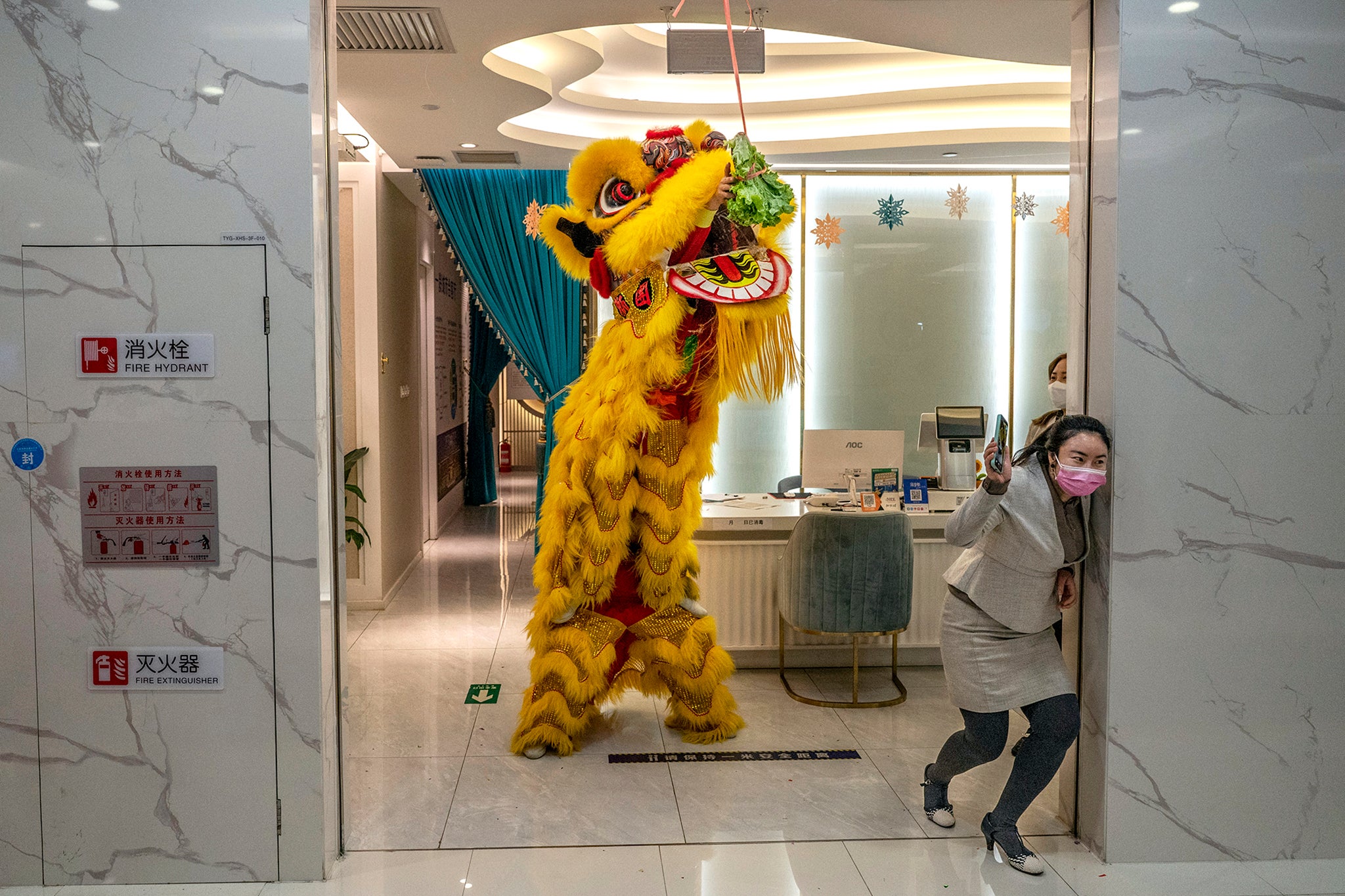
Some of my Chinese aunt's customs are specific to my Straits Chinese heritage, and any Westerner who indulges in a little Chinamaxxing today should know that we are not an amorphous mass; We come from different dialect groups, we have different customs and food. My ancestors came from Hong Kong Island, Kinmen Island in Taiwan, and the Fujian region in China. In the 18th century, they ended up in Singapore and Indonesia to survive and trade. Although they assimilated into the local Malay communities, they kept their Chinese traditions, language and culture alive.
If there is anything to learn from all this Chinese inflection, it is how immigrant groups can successfully integrate and transform within a host culture without ever losing their ancestral soul. I am all for everyone learning about Chinese culture and appreciating its breadth and nuances. Perhaps the fire horse will lead us towards a revolution of multiculturalism, with coexisting cultural identities within societies. It could happen. As long as we don't cut our hair.