Last update:
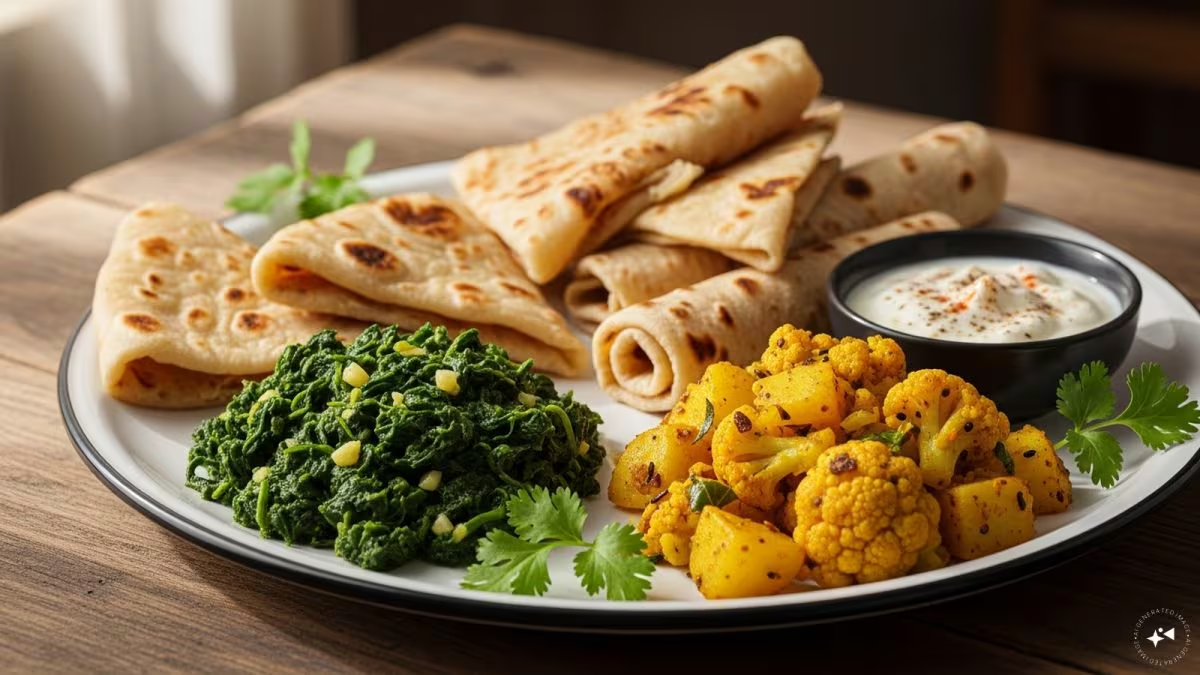
Roti-sabzi has been considered the gold standard of a healthy Indian meal. However, modern nutritional science points out that this meal may not be as balanced as we think.

Roti-sabzi alone is rich in carbohydrates and lacks sufficient protein for modern health needs.
In Indian kitchens, roti-sabzi has long symbolized simplicity, balance and nutrition. It is the food that many grow up believing is inherently “healthy” as it is light on the stomach, easy to digest, and culturally familiar. But as lifestyle diseases increase and sedentary routines become the norm, nutrition science is beginning to question whether this traditional combination truly meets the needs of today's body. What once worked for physically active generations may no longer meet modern metabolic demands.
What seems balanced is not always so
“A typical plate of roti-sabzi may look modest, but nutritionally it is skewed. Most people consume two or three rotis with a small portion of vegetables. This creates a carbohydrate-rich meal with very little protein,” explains Dr Sukrit Singh Sethi, director and senior consultant, gastroenterology, hepatology and liver transplantation, Narayana Hospital, Gurugram.
According to Dr. Sethi, these types of meals cause rapid glucose spikes and high insulin release. “Over time, this pattern contributes to insulin resistance, fatty liver, abdominal obesity, type 2 diabetes, and even hormonal disorders such as polycystic ovary syndrome, sometimes in people who don't appear overweight at all,” he adds.
The silent problem of protein deficiency
One of the most overlooked problems in Indian diets is chronic protein deficiency. “The average Indian consumes only 40 to 50 grams of protein a day, well below the recommended 70 to 100 grams,” says Dr. Sethi.
And he adds: “Protein is essential for metabolic health, muscle maintenance, immunity and hormonal regulation. Its absence manifests itself in the form of fatigue, hair loss, muscle atrophy, poor immunity and difficulty controlling weight.”
This gap is further reinforced when roti-sabzi is eaten repeatedly without protein-rich accompaniments like dal, curd, paneer, eggs or meat.
Why blood sugar spikes are important
Dietitian and certified diabetes educator Dr. Archana Batra echoes this concern, pointing to blood sugar instability as a key issue. “Roti provides carbohydrates and sabzi adds fiber and micronutrients, but without adequate protein and healthy fats, the food causes rapid spikes in blood sugar followed by crashes,” he explains.
He adds that refined or finely ground wheat rotis worsen the effect. “This cycle leaves people hungry again within hours, increasing cravings and reliance on ultra-processed snacks later in the day.”
Not all Sabzis are the same
Another common misconception is that all sabzis are nutritionally the same. “Many everyday sabzis rely heavily on potatoes, onions and excess oil. Overcooking vegetables or limiting variety reduces nutrient density, and some sabzis end up high in carbohydrates,” says Dr Batra.
This further unbalances the dish, especially when the vegetables are not combined with legumes, dairy or plant-based proteins.
The Protein First Plate Approach
Nutrition experts are now advocating for a change in the way Indian meals are structured. “Think about protein first. Start the meal with dal, curd, paneer, eggs, chicken or fish. Then add fibre-rich vegetables. Roti or rice should come last, as a supporting element, not a hero,” advises Dr Sethi.
Dr. Batra agrees and suggests small but effective improvements: “Use whole grains or millets, include healthy fats like ghee in moderation, nuts or seeds, and rotate vegetables for variety. The goal is not to eliminate the roti, but to complete the dish.”
Roti-sabzi is not bad for health, but if eaten alone, it is incomplete. As India faces a rise in diabetes, obesity and metabolic disorders, the answer may lie not in rejecting tradition, but in perfecting it. Truly healthy Indian food respects cultural roots while aligning with modern nutritional science. Sometimes, meaningful change starts with something as simple as rethinking what's first on your plate.
Delhi, India, India
December 19, 2025, 10:14 IST