From warm winter teas to savory stir-fries, ginger (Zingiber officinale) has long been a kitchen staple. But beyond its culinary allure, this spicy root has a rich history in traditional medicine, and modern science is catching up.
Studies now show that ginger may offer a wide range of health benefits, from relieving nausea and colds to reducing inflammation and supporting heart health.
Here's what you need to know:
1. Nausea relief
Multiple clinical trials have shown consistent evidence that ginger can reduce nausea and vomiting, particularly compared to a placebo. The NHS even recommends foods or teas containing ginger to relieve nausea.
Ginger seems especially effective for nausea during pregnancy. In small doses, it is considered a safe and effective option for people who do not respond well to standard anti-nausea treatments.
There is also promising evidence that ginger may help with chemotherapy-induced nausea, although results are mixed when it comes to post-surgical dizziness and nausea.
Researchers believe that ginger's anti-nausea effects may work by blocking serotonin receptors and acting in both the gut and the brain. It can also help reduce gas and bloating in the digestive tract.
2. Anti-inflammatory benefits
Ginger is rich in bioactive compounds, such as gingerol and shogaol, which have strong antioxidant and anti-inflammatory properties.
Recent research suggests that ginger supplements may help regulate inflammation, especially in autoimmune conditions. One study found that ginger reduced the activity of neutrophils, white blood cells that often become overactive in diseases such as lupus, rheumatoid arthritis, and antiphospholipid syndrome.
Neutrophils produce extracellular traps (NETs), which are network-like structures used to trap and kill pathogens. But when NETs form in excess, they can fuel autoimmune diseases. In the study, taking ginger daily for a week significantly reduced NET formation.
About the author
Dipa Kamdar is a senior lecturer in pharmacy practice at Kingston University.
This article is republished from The Conversation under a Creative Commons license. Read the original article.
While this study used ginger supplements, it is unclear whether fresh ginger or tea has the same effect. Still, the findings suggest that ginger may be a natural and helpful option for people with certain autoimmune diseases, although more research is needed.
Ginger also has antimicrobial properties, meaning it can help fight bacteria, viruses, and other harmful microbes. Combined with its anti-inflammatory effects, this makes ginger a popular remedy for relieving cold and flu symptoms, such as a sore throat.
3. Pain management
When it comes to pain, the research on ginger is encouraging, although not conclusive. Some studies show that ginger extract can reduce knee pain and stiffness in people with osteoarthritis, especially during the early stages of treatment. However, results vary and not everyone experiences the same level of relief.
For muscle soreness, one study found that taking two grams of ginger daily for 11 days reduced soreness after exercise.
Ginger can also relieve menstrual pain. In fact, some studies suggest that its effectiveness rivals that of nonsteroidal anti-inflammatory drugs like ibuprofen.
Researchers believe that ginger works by activating pathways in the nervous system that dampen pain signals. It can also inhibit inflammatory chemicals such as prostaglandins and leukotrienes.
4. Support for heart health and diabetes
High blood pressure, high blood sugar, and high “bad” cholesterol (low-density lipoprotein, or LDL cholesterol) are risk factors for heart disease. Ginger can help with all three.
A 2022 review of 26 clinical trials found that ginger supplementation can significantly improve cholesterol levels: reducing triglycerides, total cholesterol, and LDL cholesterol, while increasing HDL (“good”) cholesterol. It can also lower blood pressure.
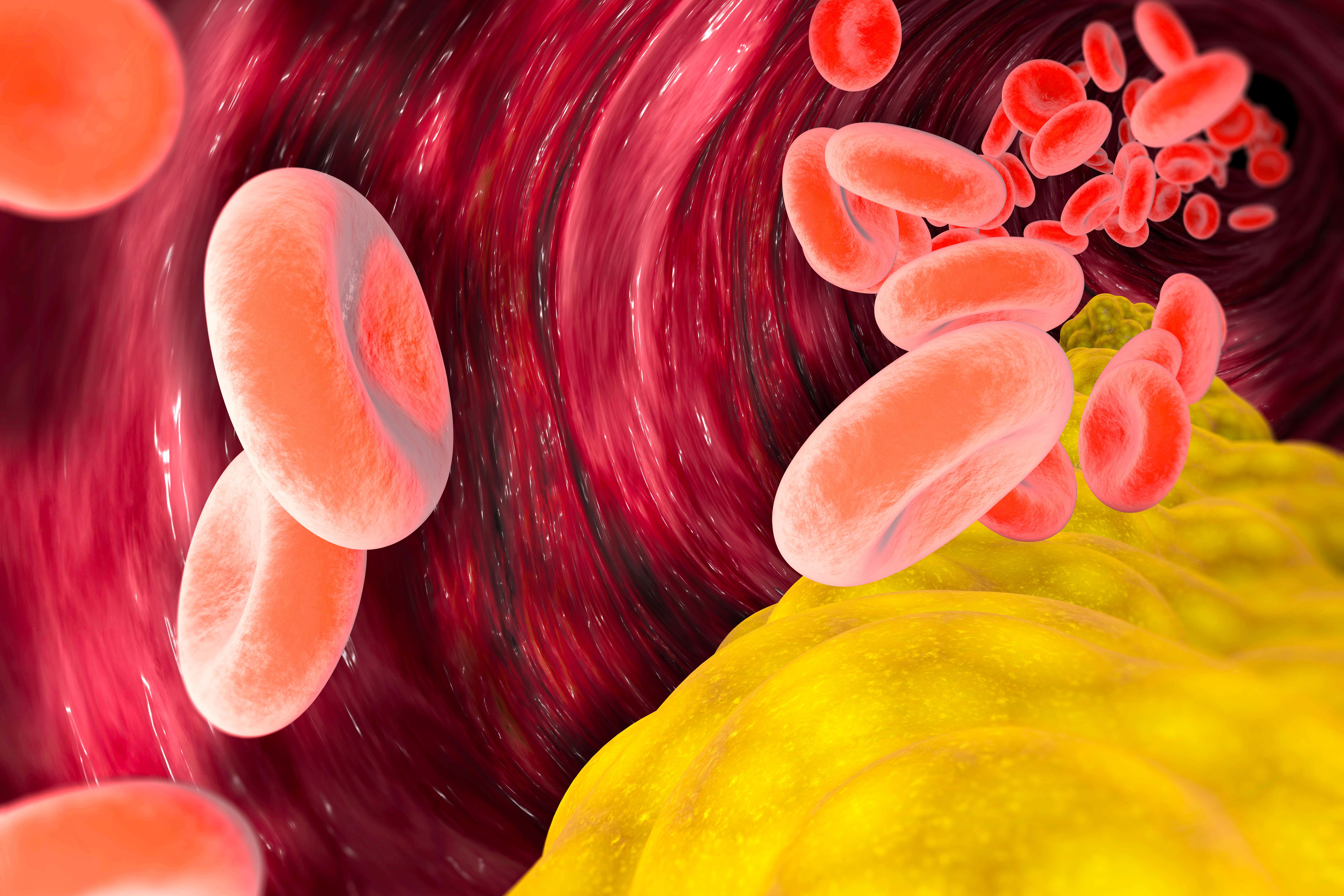
For people with type 2 diabetes, ginger may offer additional benefits. A review of ten studies found that taking one to three grams of ginger daily for four to 12 weeks helped improve both cholesterol levels and blood sugar control.
These benefits appear to come from multiple mechanisms, including increased insulin sensitivity, increased glucose uptake into cells, and reduced oxidative stress. Ginger's anti-inflammatory actions may also contribute to its heart-protective effects.
Some early research suggests that ginger may also offer sexual health benefits, although evidence in humans is still limited. Animal studies have found that ginger can increase testosterone levels, improve blood flow, and improve sexual behavior. In traditional medicine systems, it has long been used as an aphrodisiac. While there is no solid clinical evidence yet to confirm a direct impact on libido, the anti-inflammatory, circulatory and hormonal effects of ginger could play a supportive role, particularly for people suffering from conditions such as diabetes or oxidative stress.
5. Brain health and cancer research
Emerging evidence suggests that ginger may also offer neuroprotective and anti-cancer benefits. Laboratory studies show that compounds in ginger can help protect brain cells from oxidative damage, a key factor in neurodegenerative diseases such as Alzheimer's.
Other in vitro research has found that ginger can slow the growth of some cancer cells. However, these findings are still in the early stages and more research is needed to confirm their relevance in humans.
Ginger is generally safe when consumed in food or tea. But like any supplement, it should be used in moderation.
Doses above four grams a day may cause side effects such as heartburn, bloating, diarrhea, or mouth irritation. They are usually mild and temporary.
Certain groups should use caution with high doses. Ginger may increase the risk of bleeding in people taking blood thinners (such as warfarin, aspirin, or clopidogrel) and may enhance the effects of diabetes or blood pressure medications, which could lead to low blood sugar or blood pressure. Pregnant women should also consult a doctor before using high doses.
So ginger is not just an aromatic kitchen spice: it is a natural remedy with increasing scientific support. For most people, enjoying ginger in food or tea is a safe and effective way to take advantage of its therapeutic potential. If you are considering taking supplements, it is always best to talk to your doctor or pharmacist first, especially if you are managing a medical condition or taking medications.