At 71, Tina Knowles – fashion designer, businesswoman and mother of Beyoncé – made headlines not for her career, but for a deeply personal revelation: her breast cancer diagnosis.
In 2023, a routine mammogram discovered two tumors in her left breast, one benign and one malignant. She was diagnosed with stage 1 breast cancer, underwent surgery, and is now cancer-free.
At first, Knowles had been hesitant to share her story, even considering leaving it out of her upcoming memoir Matriarch. As a private person by nature, she finally decided to speak out to educate and inspire others (especially women who lead busy lives) about the critical importance of regular screening.
Knowles candidly revealed that her cancer could have been detected even earlier, at stage 0, if she hadn't skipped a mammogram during the COVID pandemic. Like many, he delayed rescheduling and it wasn't until almost four years later that he returned for the screening.
Her sister, a breast cancer survivor, reminded her that if she had stuck to the schedule, doctors could have detected her cancer before it began to invade surrounding tissue.
Fortunately, Knowles' tumor was small and slow growing. Still, the experience moved her and reinforced a message she now shares widely: early detection saves lives.
Knowles' story opens the door to an important medical conversation: What exactly is stage 0 cancer and why is it important?
Stage 0, often called “carcinoma in situ,” is the earliest form of cancer. The Latin phrase in situ means “in its original place,” and that is exactly where these abnormal cells remain: they have not yet spread to nearby tissues or other parts of the body. In breast cancer, the most common type of stage 0 is ductal carcinoma in situ (DCIS), in which the abnormal cells are limited to the milk ducts.
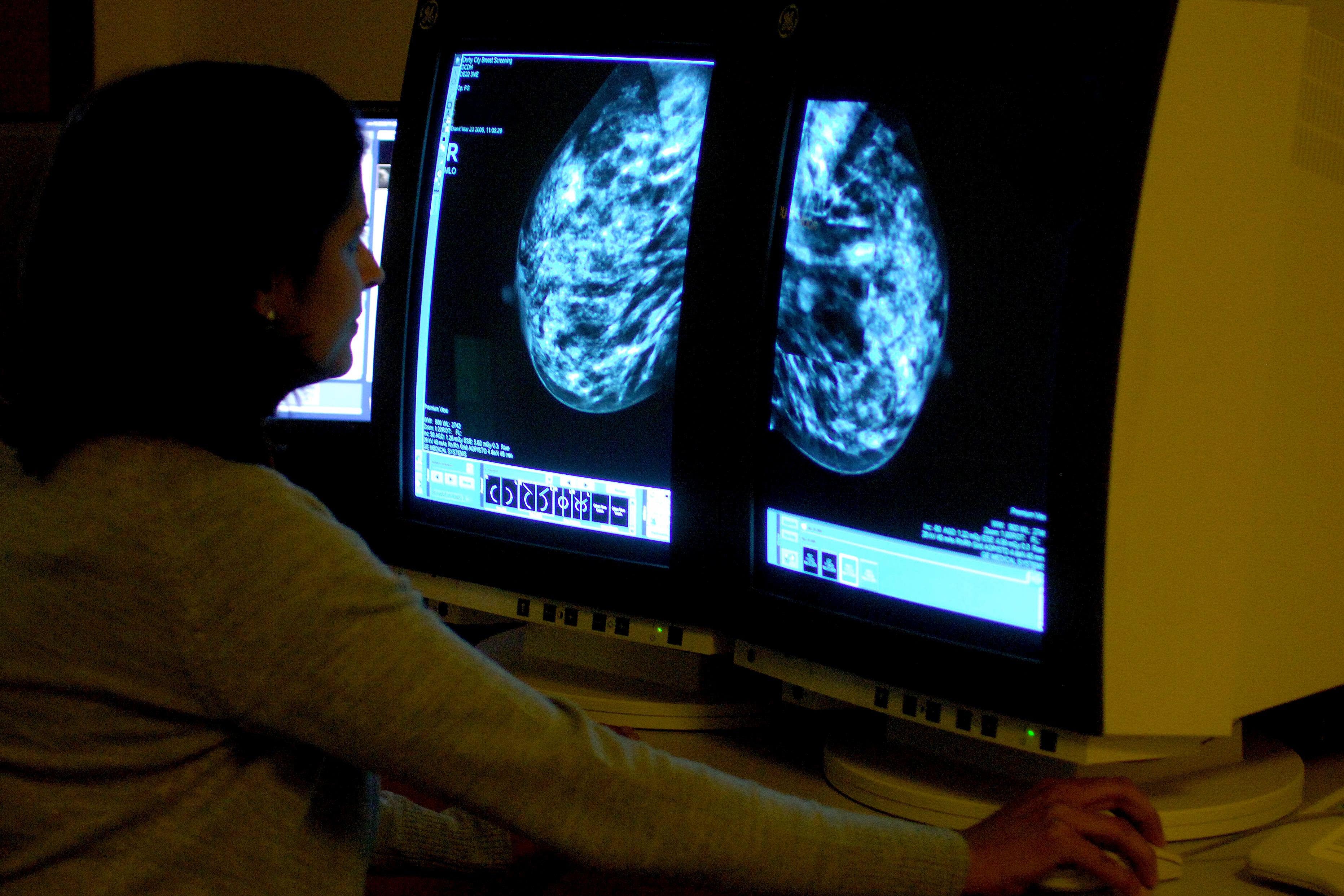
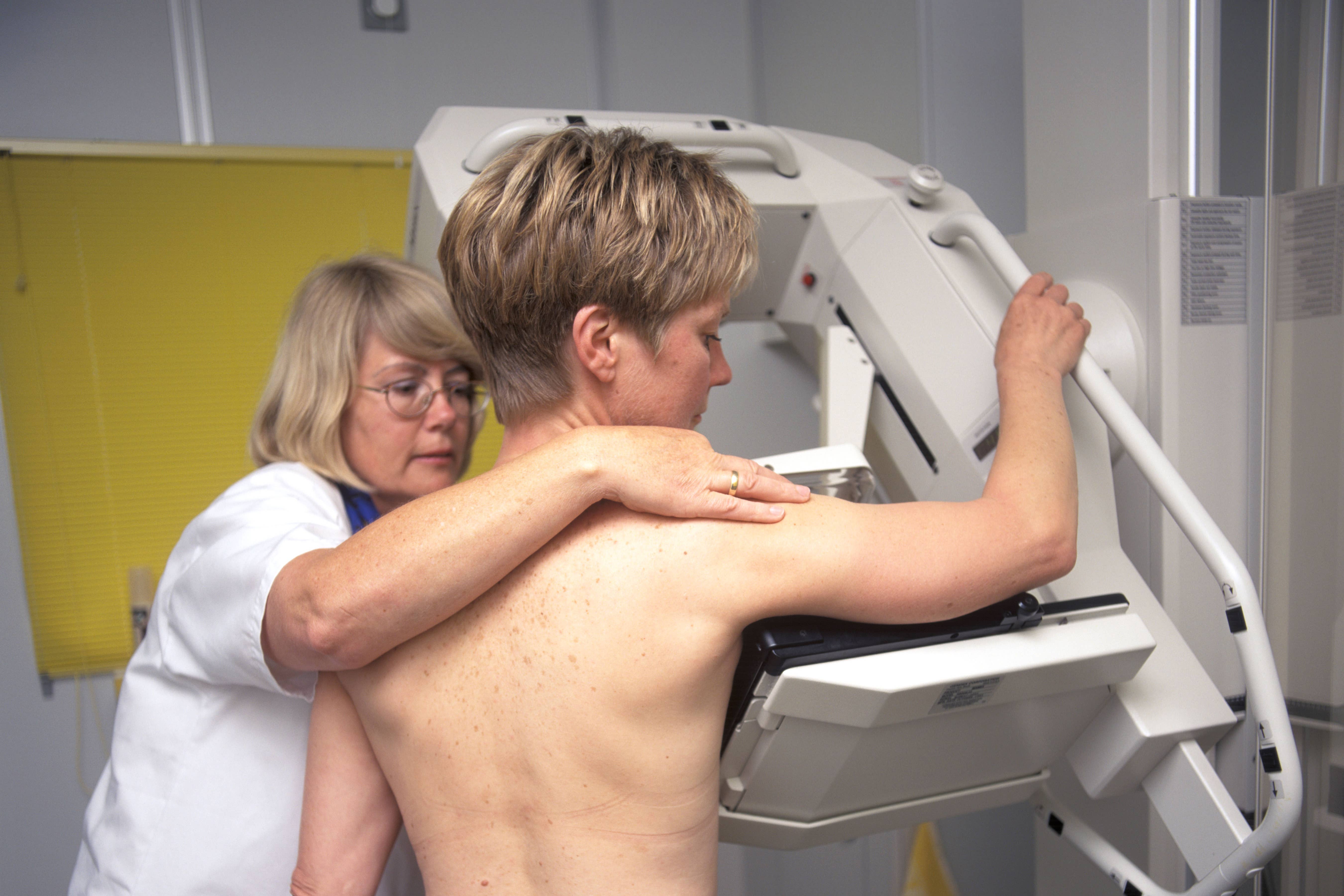
Because stage 0 cancers rarely cause symptoms or lumps, they are usually found through screening (most often, a mammogram). In fact, the breast is where stage 0 is most frequently diagnosed, thanks to the effectiveness of these screening programs.
But stage 0 cancer is not exclusive to the breast. Similar early, non-invasive changes can be found in other organs, such as the cervix (cervical intraepithelial neoplasia) or the colon (certain types of polyps).
There is growing debate in the medical community about whether stage 0 cancers should be labeled “cancer.” Some experts argue that terms like “precancer” or “noninvasive cancer” might better reflect the low risk these abnormal cells pose. Others warn that, while not yet invasive, some stage 0 cancers can become dangerous over time, especially if left untreated.
Research suggests that up to 40 percent of untreated DCIS cases may eventually develop into invasive breast cancer, although the risk in any given year is relatively low, about 3 percent. Because we currently lack a reliable way to predict which cases will progress, most doctors recommend treatments such as surgery to remove abnormal cells.
Treatment for stage 0 cancer is usually less aggressive than for more advanced stages, but is still personalized. In breast cancer, options typically include:
- Lumpectomy: surgery to remove only the affected area
- Mastectomy: removal of the entire breast
- Radiation therapy: often recommended after lumpectomy to reduce the risk of recurrence.
- Hormone therapy: For cancers that have hormone receptors, medications may be used to reduce future risk.
However, some experts are exploring a different approach: active surveillance. This strategy involves close monitoring of low-grade lesions without immediate treatment. While promising for some patients, it remains controversial as there is always a risk of the cancer silently progressing.
About the author
Justin Stebbing is Professor of Biomedical Sciences at Anglia Ruskin University.
This article is republished from The Conversation under a Creative Commons license. Read the original article.
The prognosis for stage 0 cancer is overwhelmingly positive. The five-year survival rate for stage 0 breast cancer is close to 99 percent and most people diagnosed at this stage will never experience a recurrence.
This remarkable result is a testament to the power of early detection and effective treatment. However, the rise in stage 0 diagnoses also raises questions about so-called overdiagnosis and overtreatment and whether this means some people undergo unnecessary procedures for abnormalities that may never have caused harm.
Despite its early stage, a stage 0 cancer diagnosis can carry a high emotional toll. It's comforting to know that the cancer was caught early, but it also creates anxiety about what might have happened if it hadn't. Many patients struggle with the uncertainty of whether treatment was necessary or whether watchful waiting would have been safe.
Knowles, for example, spoke of disbelief, fear and the emotional roller coaster that followed her diagnosis. She credits her daughters and friends for helping her get through, giving her love, laughter and perspective in a scary time. Her openness underscores how vital it is to have a strong support system and a healthcare team that encourages open dialogue.
Mammograms and other screening tools, such as colonoscopies, are vital for detecting cancers in the earliest, most treatable stages. While the rise in stage 0 diagnoses has fueled the debate over overtreatment, it is clear that early detection gives people options and the chance to be cured before the cancer becomes more aggressive.
My research team is working to develop more effective methods to distinguish which early abnormalities truly require treatment and which can be safely managed. Until those tools are widely available, public health experts continue to emphasize a clear message: stay up to date with recommended screening tests.
Knowles' story is more than a celebrity health headline, it's a powerful reminder that prioritizing routine care can change the course of your life. Stage 0 cancer represents a rare window of opportunity: the chance to intervene early, often with excellent results. But it also requires careful decision-making, emotional resilience and support.
The message is simple and urgent: take care of yourself. Reschedule that appointment. Get screened. It could save your life.