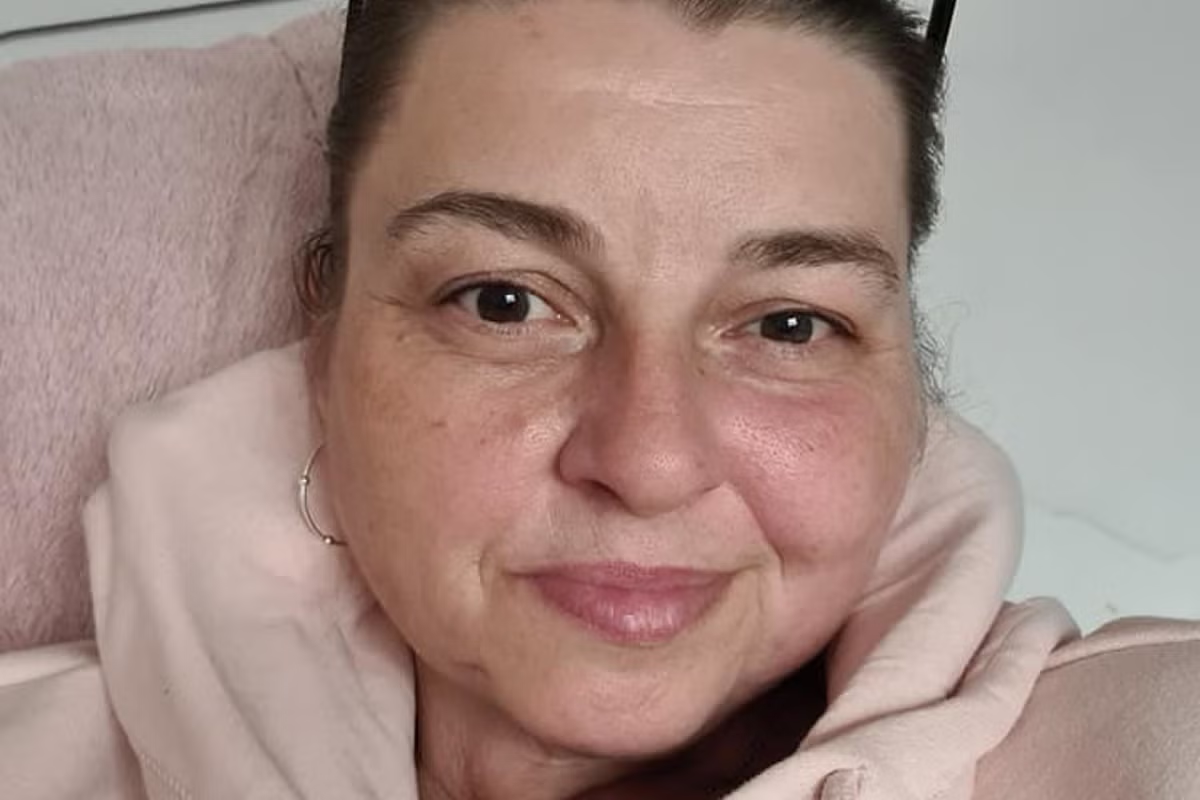
A mother who thought she would never live to see another Christmas after being diagnosed with oral cancer is celebrating being cancer-free.
Clare Davis-Eaton, 51, from Grimsby, Lincolnshire, found a lump in her neck “the size of a frozen pea” in December 2015 and, after further tests, was diagnosed with metastatic cancer of the base of the tongue, which spread to her lymph nodes in March 2016.
The community support officer underwent a “horrendous” six-week course of radiotherapy and chemotherapy before going into remission in November 2016, and said she felt as if “Christmas had come early”.
Clare then found another lump in her neck in June 2019 and three months later she was told the cancer had returned to her lymph nodes, which were then removed during an operation.
She began more chemotherapy and radiotherapy, but wasn't sure she would make it to Christmas and opted to put up her tree in October of that year.
Clare remained “determined” and “positive” to move forward and, in August 2024, on her 50th birthday, she was given the news that she was officially cancer-free.
Clare said her family, including her son Dominic, 31; his daughter, Georgia, 29; his mother, Helene, 69; and his grandmother, Eunice, 97; “It played a huge role” in her cancer journey, and also credited Macmillan Cancer Support for keeping her “afloat”.
“I'm so grateful to be able to spend Christmas with my family because, in 2019, I didn't think I was going to see them,” Clare said.
“Going through cancer twice has brought me back to the meaning of Christmas and what it is all about.
“It's not the gifts under the tree, but who is around it.
“You can't buy happiness, you can't buy health; those gifts are priceless.”
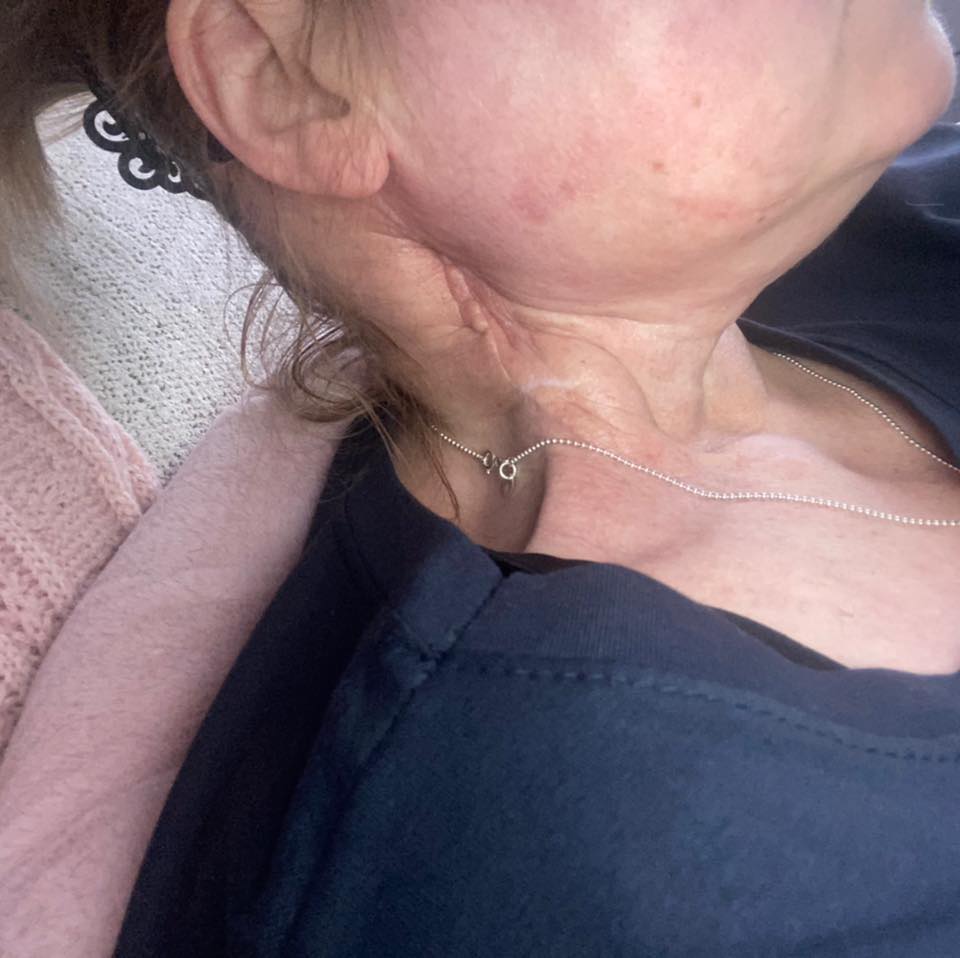
Clare was first diagnosed with cancer at the base of her tongue in 2016 after finding a lump “the size of a frozen pea” in her neck.
She went to the doctors in December 2015 and was referred for further tests, including a biopsy, in January and February 2016.
When she was told “it's cancer” on March 11, 2016, Clare said it “broke her world.”
Clare said the cancer was also metastatic and had spread to her lymph nodes at the time of her diagnosis.
He began a six-week daily radiotherapy treatment, Monday to Friday, accompanied by one day of chemotherapy, and described the process as “horrible.”
“It was not only scary for me, but also for my children,” she said.
“It takes everything away from you, the chemotherapy made me feel bad, I was exhausted.”
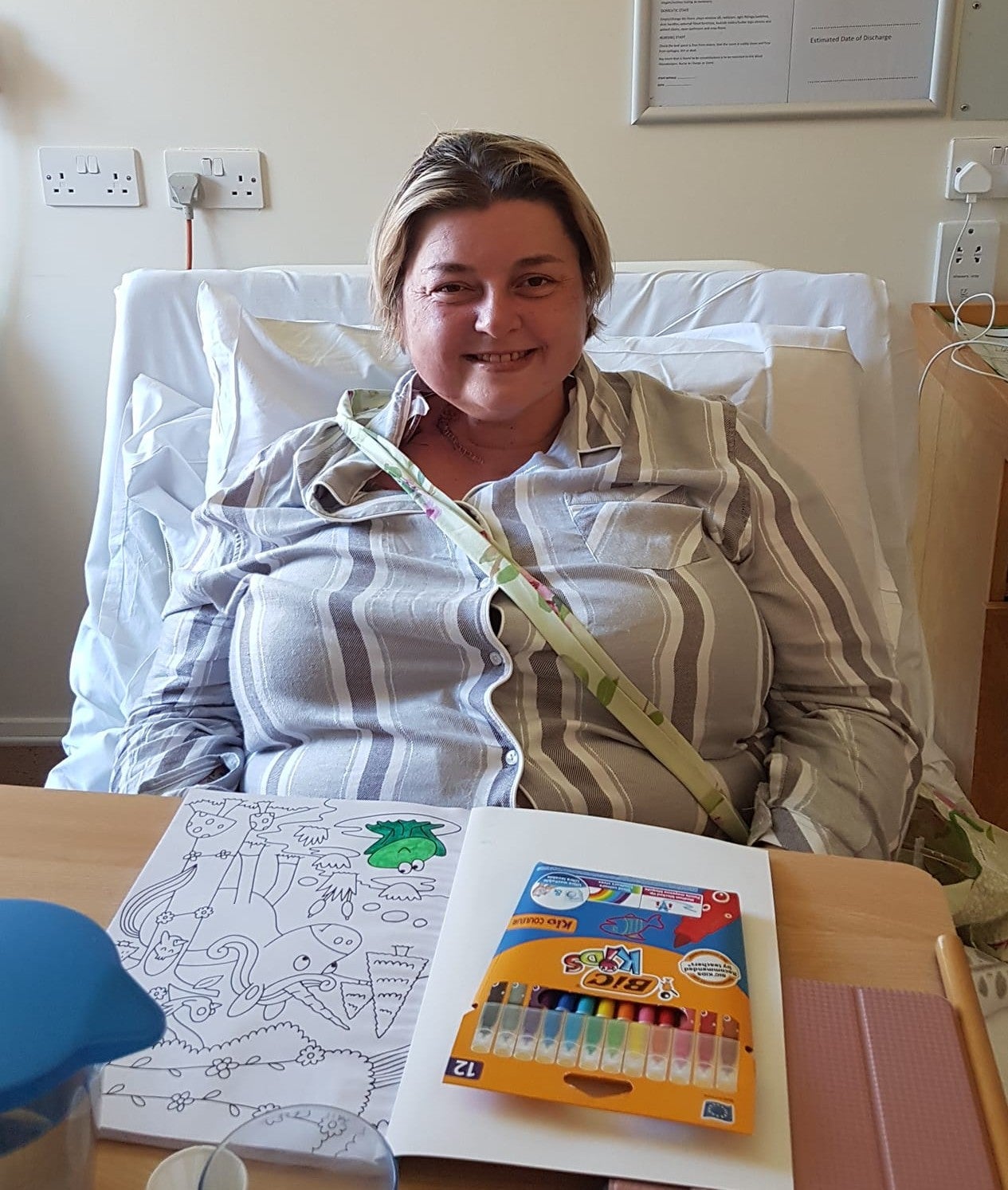
Clare finished her last round of treatment on June 15, 2016, and went into remission on November 23, 2016, saying she felt like “Christmas came early.”
“It wasn't an easy trip and I had to go back for more checks, but it was amazing, I felt on top of the world,” he said.
He added that the feeding tube, which he used throughout his treatment, was removed just before Christmas of that year, and that his ability to eat and swallow had not yet returned.
“Christmas wasn't the same: I couldn't eat meat, I couldn't prepare dinners, I didn't have the financial resources to celebrate Christmas because of all the side effects,” she said.
“But it showed me that Christmas is about the people you share it with, not the gifts you open.”
In June 2019, Clare said she felt “gutted” all the time and discovered another lump in her neck.
After seeing her doctor and explaining her symptoms, Clare was referred for further scans and tests for around three months, and was told that the cancer had returned to her lymph nodes in September 2019.
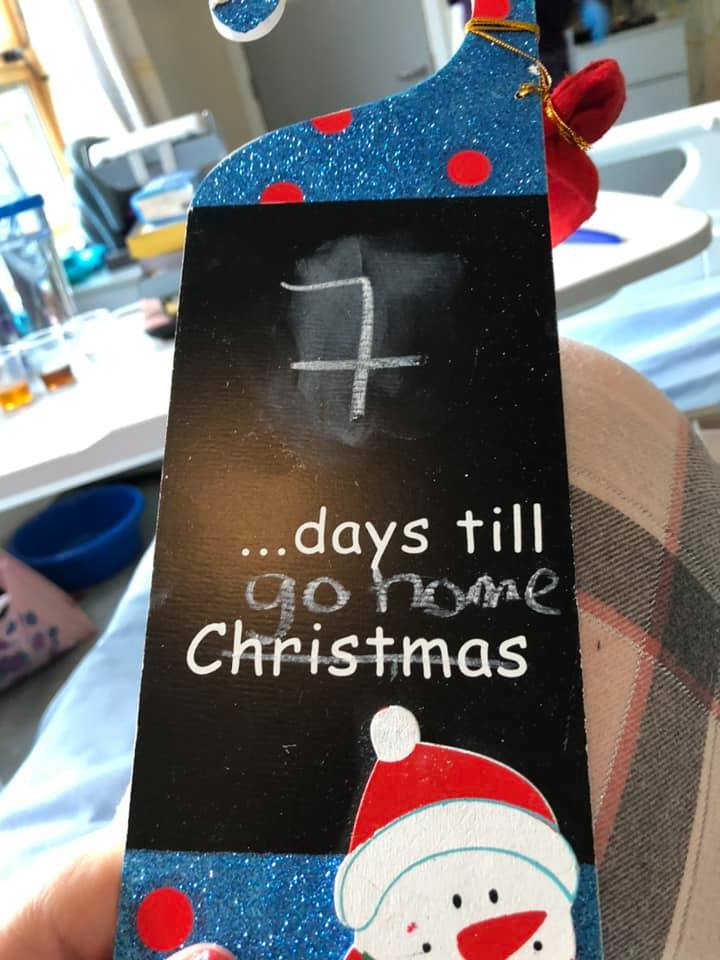
Clare then underwent surgery to remove the affected lymph nodes on the right side of her neck.
Unfortunately, the procedure did not eliminate all of the cancer cells, Clare said, but added that her oncologist pressured her to receive more treatment.
“They don't normally do a second round of radiotherapy in the same place, so I was very privileged,” he said.
Weighing up her treatment options, Clare said she was told there was a “20 per cent chance” that radiotherapy treatment could kill her.
“I asked what would happen if I didn't have any treatment and they said 'six months,'” Clare said.
“I didn't want the rest of that sentence (it could have been six months before I started feeling sick), but I just said, 'where do I sign?'”
Clare said she felt “very unwell” and “very unwell” during her second round of chemotherapy and radiotherapy treatment, which lasted another six weeks.
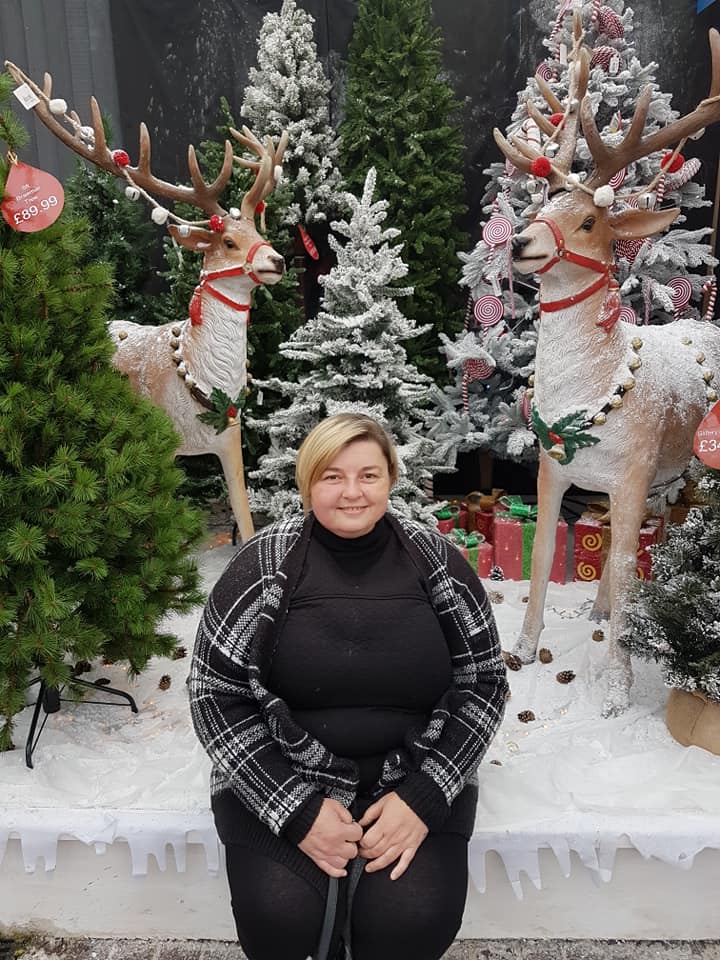
“At that moment I felt like I couldn't do it, I was just ready to give up,” she said.
“To be totally honest, I didn't think I was going to see that Christmas.
“If I saw him, I felt like he would be the last.”
He added that he put up his Christmas tree in October of that year.
“It was really fancy and it snowed from above and we had a really crazy day playing loud Christmas music and watching movies,” he said.
Clare said she tried to stay “positive” and was hospitalized for the final three and a half weeks of her treatment.
“I was determined to fight and get home for Christmas no matter what,” she said.
Clare finished her treatment on December 9, 2019, and rang the bell at the hospital to mark the occasion, but said the side effects of the treatment “peaked throughout Christmas.”
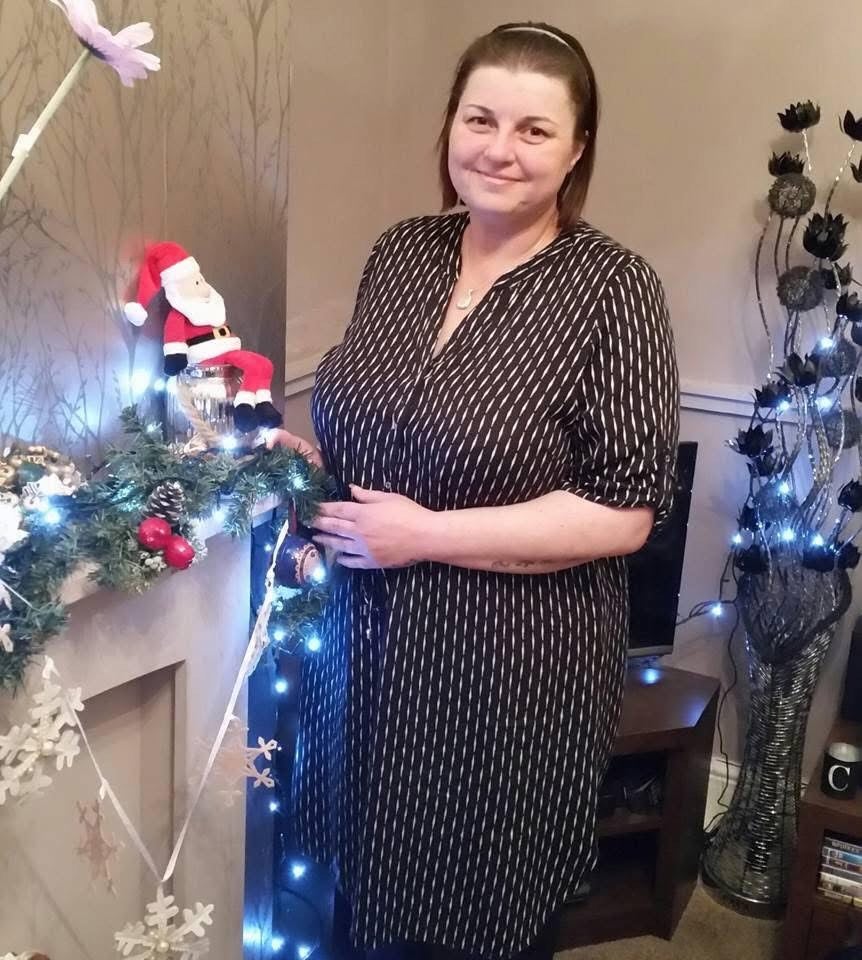
On Clare's 50th birthday, August 23, 2024, she was told she was officially cancer-free.
“It was a gift no one could buy,” he said.
“After spending eight years fighting, in one way or another, it was a very strange feeling.”
Clare now lives with some side effects from her treatment and finds it difficult to swallow food, may be at risk of choking and “can't enjoy” the flavours.
“I don't mind having side effects; they're my gifts because I'm here to have them,” she said.
He added that he continues to receive mental health support, as he said his cancer journey has “affected every step” of his life.
“Cancer is not just a physical illness, it is also a mental illness,” he said.
Main symptoms of oral cancer
National Health Service
Oral cancer symptoms can affect any part of the mouth, including the gums, tongue, inside of the cheeks, or lips.
Symptoms may include:
- a cold sore in the mouth that lasts more than 3 weeks
- a red or white spot inside the mouth
- a lump inside the mouth or on the lip
- pain inside your mouth
- difficulty swallowing
- difficulty speaking or hoarse voice (hoarse)
- a lump in the neck or throat
- lose weight without trying
“It has positive aspects because it brings appreciation of life; now I know that tomorrow is not a fact, it is a privilege.”
Due to her health, Clare said she had to leave her job as a community support officer for people with learning disabilities, where she worked for 10 years.
He said he misses work “enormously” but also enjoys working in a local pub.
She is also now a volunteer for Macmillan Cancer Support and praised the charity for the help and advice they gave her during both diagnoses.
“Macmillan came into my life when I was at my lowest point, they kept me afloat and are still in my life now,” he said.
“They were also there for my family and we didn't forget anyone – what they do is incredible and I can't say enough about them.”
Macmillan is there to provide essential support to people living with cancer across the UK through its support line (0808 808 00 00), chat service, online community and Macmillan centres.
For more information and support visit: community.macmillan.org.uk