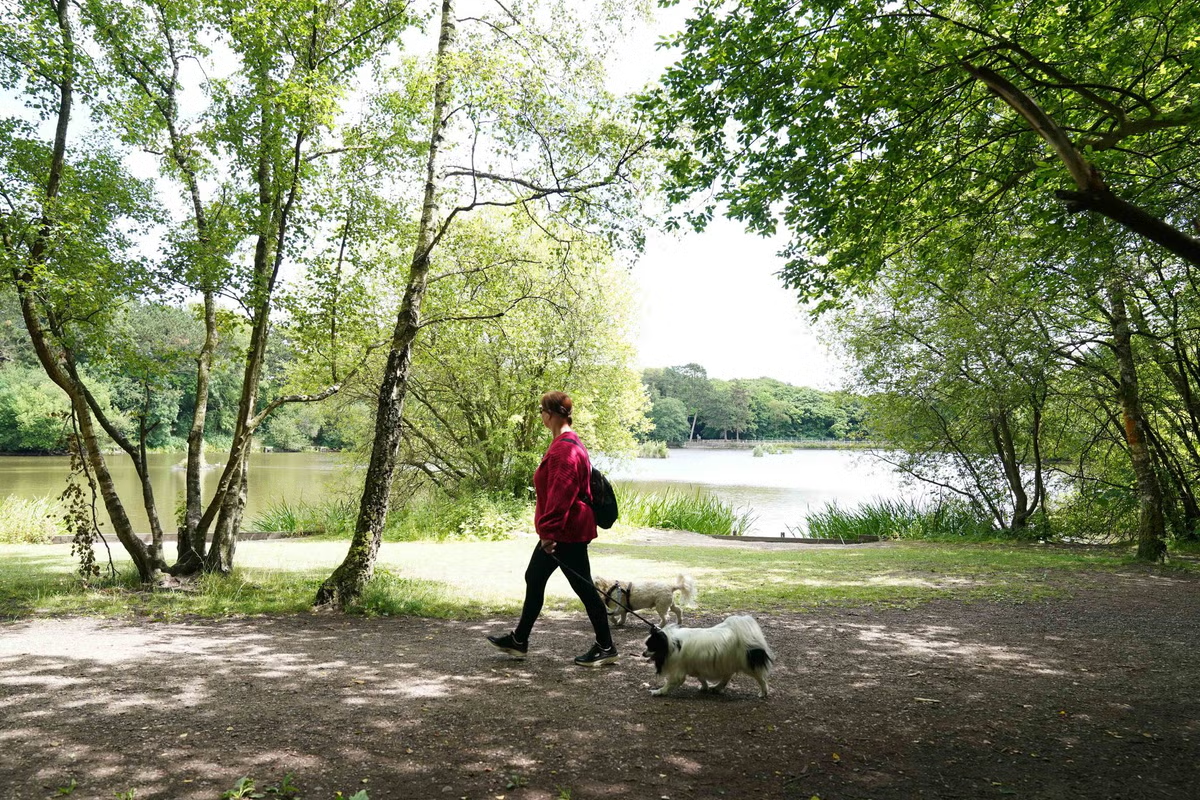
Two new studies have identified the small changes people can make to live longer.
The first, published in The Lancet, found that “small, realistic” increases in moderate-to-vigorous intensity physical activity can reduce the risk of death in a significant number of people.
The researchers, led by academics at the Norwegian School of Sports Sciences, wanted to assess the impact of small increases in exercise among less active people and among the general population.
The study examined data from nearly 95,000 middle-aged and older adults in the United Kingdom and 40,000 people from Norway, Sweden and the United States.
It found that just five extra minutes of brisk walking per day could reduce 6 percent of deaths among the least active people and could reduce the risk of death among the general population by 10 percent.
The team also looked at reductions in the amount of sitting time each day.
Figures from the British arm of the study, taken from the UK Biobank study, which tracks the health of middle-aged adults, also show that reducing sedentary time by 30 minutes a day could reduce 4.5 percent of deaths among all adults participating in the study, apart from those who were already very active.
“Considering that all individuals are unlikely to achieve the WHO (World Health Organization) physical activity recommendations of 150 minutes of moderate-to-vigorous intensity physical activity per week, our data underline the large impact of realistic and achievable behavioral goals on population health,” the authors wrote.
Study co-author Professor Melody Ding, from the University of Sydney School of Public Health, said: “Inactive lifestyles are associated with a range of health problems and this study shows the huge public health benefit of even small increases in physical activity.”
Meanwhile, an independent study, published in eClinicalMedicine, identifies a number of small changes people can make to live longer lives.
Experts led by academics from the University of Sydney collected information on the activity, diet and sleep levels of 50,000 people with an average age of 64 years who were taking part in the UK Biobank study.
They were then followed for an average of eight years.
.jpg)
During this follow-up period, there were 2,400 deaths, nearly 10,000 cases of diagnosed heart disease, 3,000 cases of type 2 diabetes, 7,600 cancers, 1,500 cases of lung disease, and 500 cases of dementia.
The research team said people who slept better, exercised more and had the healthiest diets lived 9.35 years longer than those with worse sleep, lower activity levels and poorer diets, and spent more of their lives in good health.
Overall, they estimated that a “combined dose” of increasing sleep by five minutes a day, just two more minutes of moderate to vigorous physical activity, and an extra half-serving of vegetables could increase the life expectancy by one year for a person with the worst sleep, the lowest activity levels, and the poorest diets.
“This study demonstrates that small, simultaneous improvements in sleep, physical activity, and diet quality were associated with theoretically clinically significant gains in life expectancy and health,” the authors wrote.
Research leader Dr Nicholas Koemel, from the University of Sydney, said: “Sleep, physical activity and nutrition are factors known to be linked to healthier living, but they are usually studied in isolation.
“By investigating these factors in combination, we can see that even small adjustments have a significant cumulative impact over the long term.”