Food and Drug Administration Commissioner Marty Makary warned that the United States is falling behind China in the early stages of drug development and called for reforms that could speed up the process for starting trials of new treatments.
In an interview with CNBC on Wednesday, Makary specifically pointed out three obstacles that he says cause the United States to fall behind in those early drug trials.
These include hospital contracting, as well as ethics reviews and approvals, which he called “clunky processes that take too much time and leave us uncompetitive with countries that are moving much faster.” He also noted the process of submitting and receiving approvals for investigational new drug applications, or INDs, that companies submit to test a product in humans.
“We got ourselves into a pickle,” Makary said, referring to how far behind China the United States was in terms of Phase 1 clinical trials being conducted in 2024.
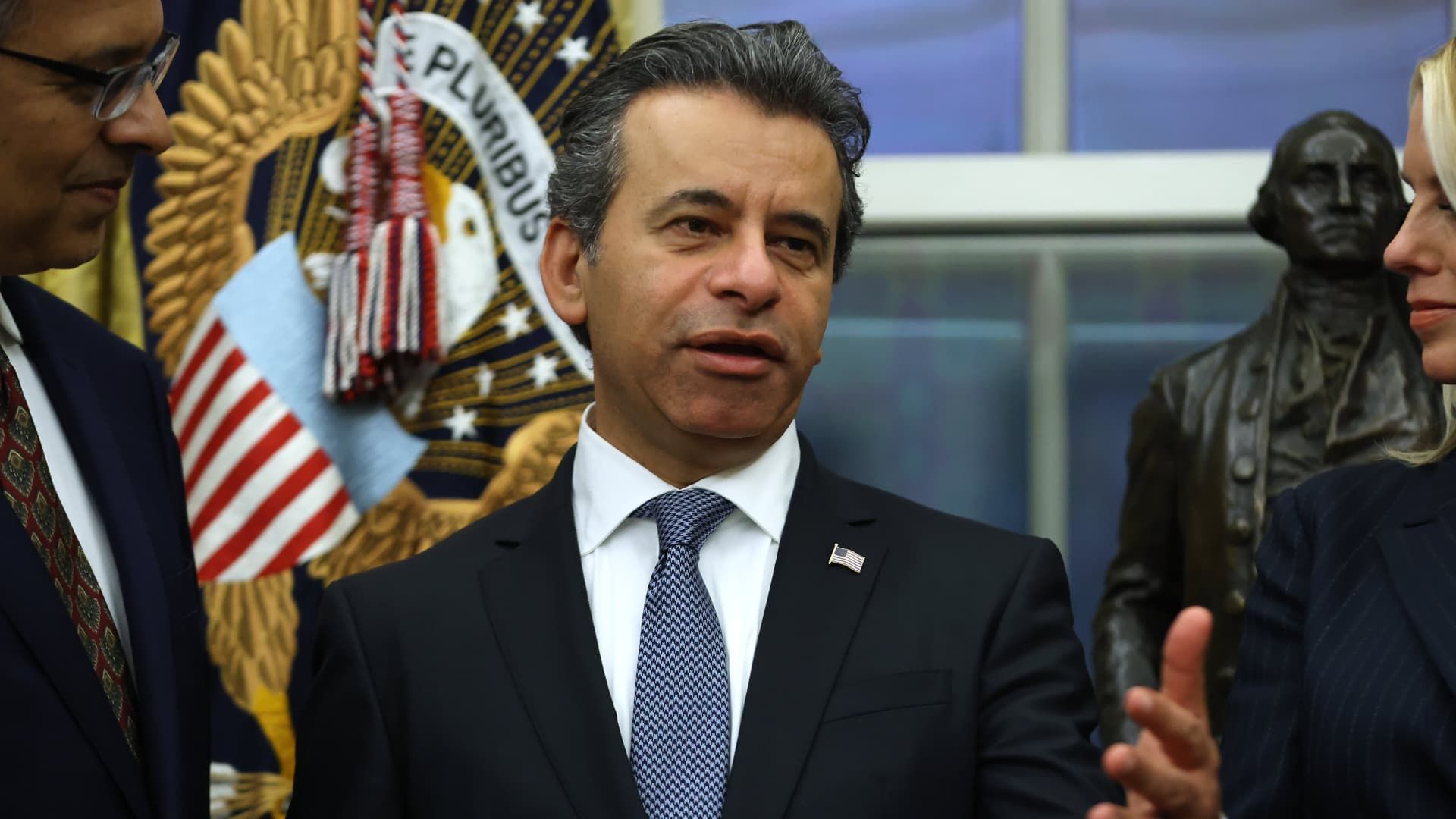
Food and Drug Administration Commissioner Marty Makary speaks in the Oval Office of the White House on January 29, 2026.
Samuel Corum | fake images
He said the FDA is “looking at everything,” such as whether it can partner with health systems and academic medical centers in the pre-IND process. This refers to when companies consult the FDA before formally submitting an application.
Makary said the Trump administration should “partner with the industry to help them deliver more meaningful cures and treatments to the American public because that is a common bipartisan goal that we all want. And we are going to achieve it in this administration.”
China's biotech ecosystem has flourished in recent years, driven by massive state investment, a huge talent pool and accelerated regulatory reforms. China, once known for being a low-cost manufacturing base that spawned imitators, is rapidly evolving into a global innovation powerhouse.
Data from Global Data and Morgan Stanley show that China now conducts more clinical trials than the United States, accounts for nearly a third of new drug approvals globally, and is on track to reach 35% of FDA approvals by 2040.
U.S. officials have been under pressure to take steps to boost innovation domestically.