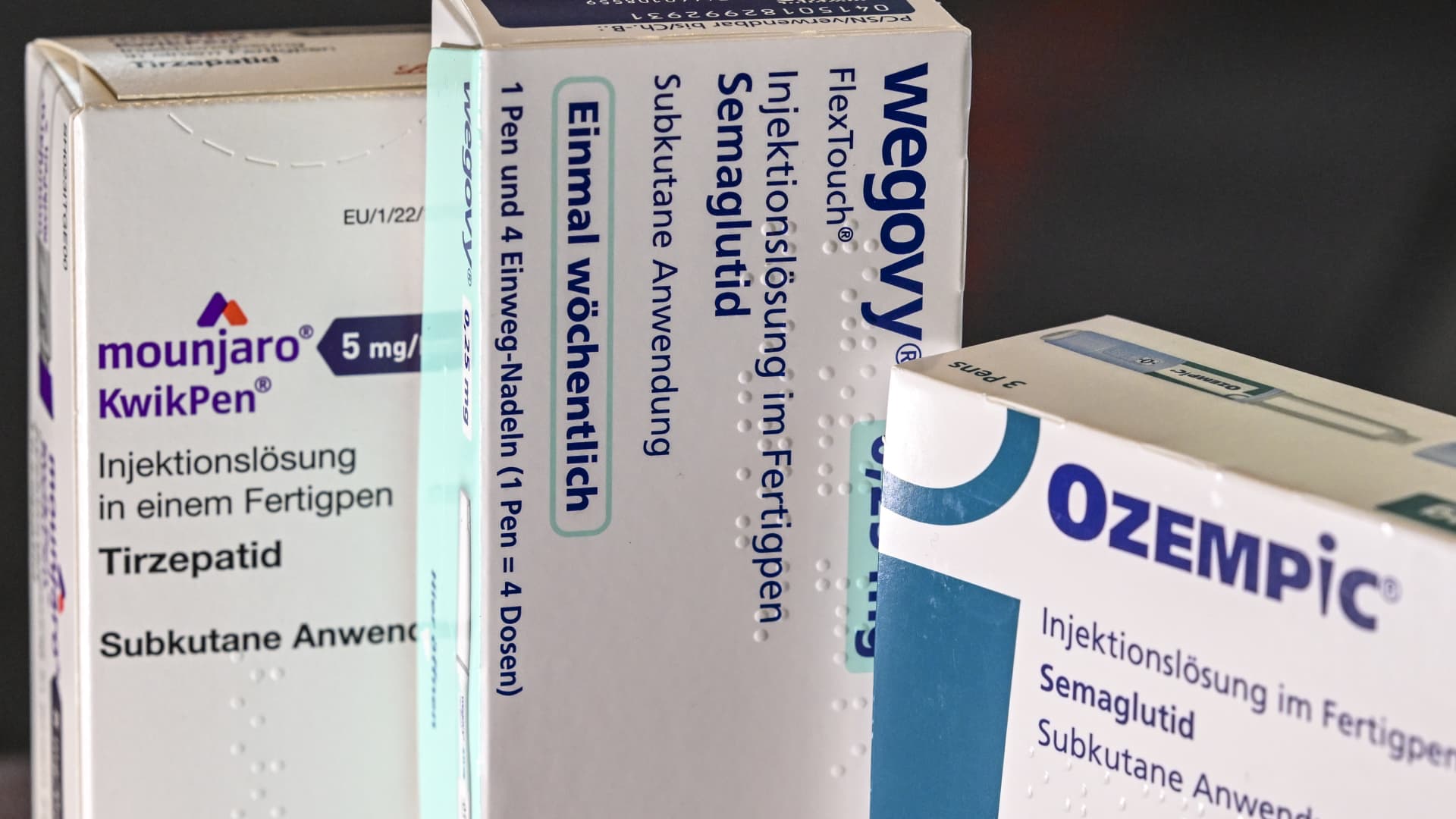
Eli Lilly on Wednesday released fourth-quarter earnings, revenue and 2026 guidance that beat estimates, as demand soars for its blockbuster weight-loss drug Zepbound and diabetes treatment Mounjaro.
The pharmaceutical giant predicts that its revenue in 2026 will range between $80 billion and $83 billion. Analysts were expecting revenue of $77.62 billion, according to LSEG.
Lilly also projects adjusted earnings between $33.50 and $35 per share for the year. That compares with analysts' estimate of $33.23 per share, according to LSEG.
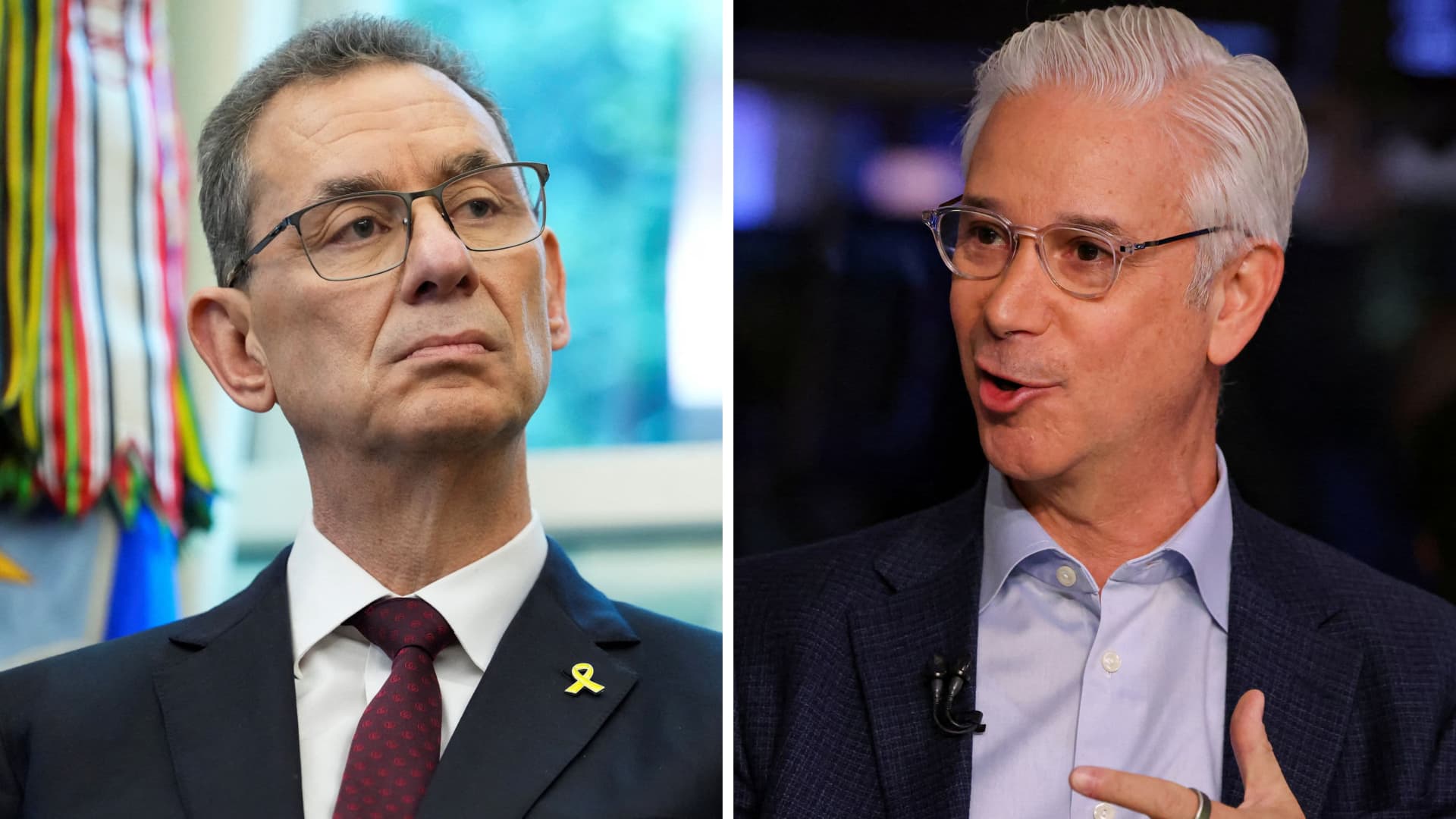
The orientation contrasts sharply with the perspectives of its rival. Nordiskwhich is also grappling with lower prices in the United States following historic agreements both companies reached with President Donald Trump to reduce the costs of obesity and diabetes drugs. Unlike Lilly, Novo warned Tuesday that it expects sales and profits to fall as much as 13% this year as prices fall in the United States and exclusivity on its blockbuster obesity and diabetes drugs expires in China, Brazil and Canada.
Meanwhile, the midpoint of Lilly's revenue guidance calls for 25% sales growth this year.
The strong outlook comes days after Lilly CEO Dave Ricks told CNBC in an exclusive interview that he expects the government's upcoming Medicare coverage of obesity treatments to expand the U.S. market for those drugs this year, saying it's a “big multiplier in the eligible pool” of patients.
In an earnings call on Wednesday, Lilly cited several factors it will benefit from this year, including Medicare coverage, continued global demand for Mounjaro and Zepbound and the planned launch of its obesity pill GLP-1 in the second quarter, pending approval in the United States.
But Lilly said it will be hit by an overall price decline of the low to mid-teens, driven by the deal with Trump, new direct-to-consumer rates for Zepbound and lower Medicaid prices on some older products, among other factors.
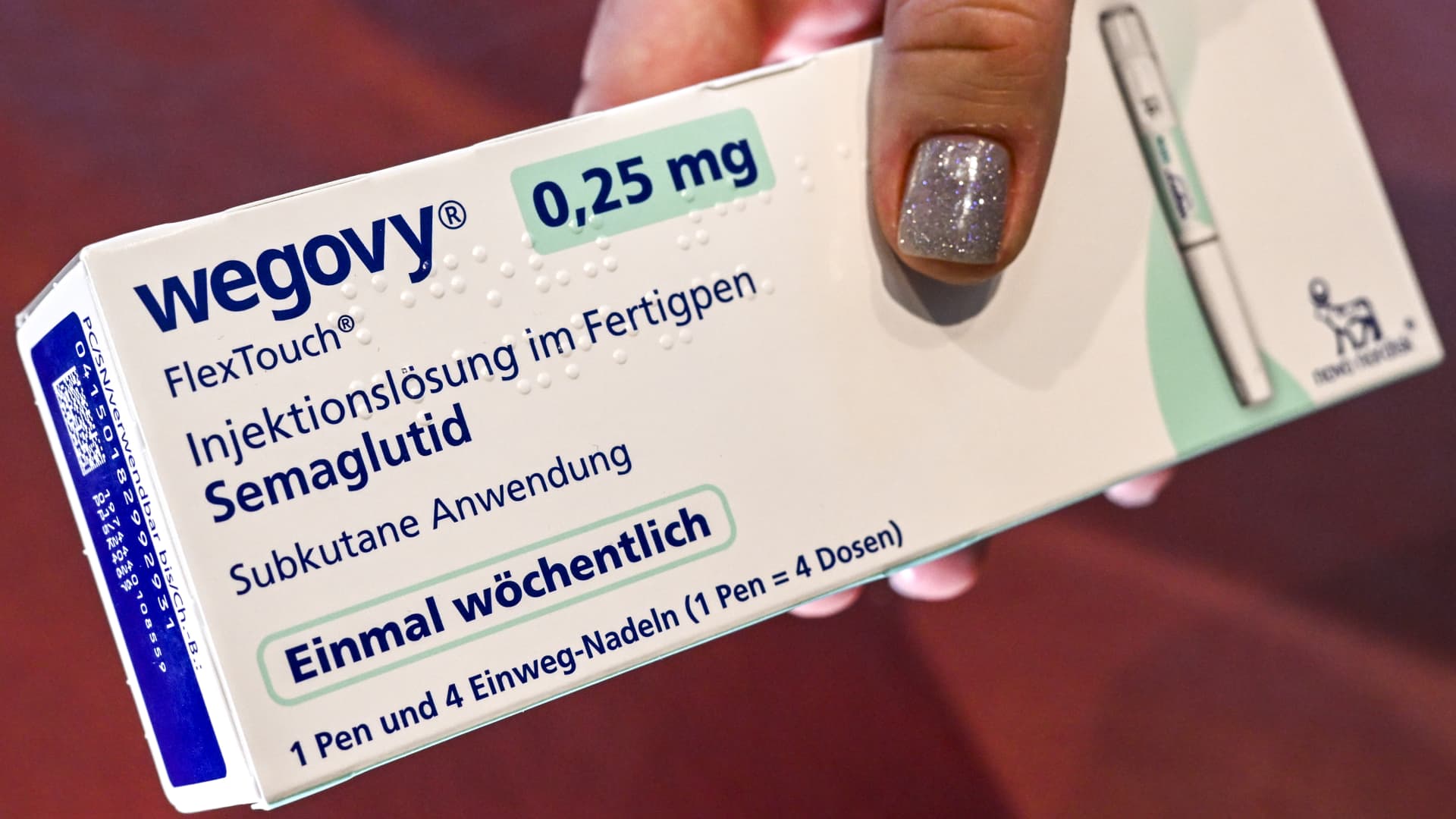
Lilly is working to maintain its dominance in the burgeoning market for those drugs, called GLP-1, while Novo plans an explosive U.S. launch of its new obesity pill Wegovy. Before that launch in January, Lilly's share of the U.S. market for obesity and diabetes drugs rose to 60.5% in the fourth quarter, up 2.6% from the previous quarter, according to the filing. Novo's market share in the fourth quarter was 39.1%.
Mounjaro earned $7.41 billion in revenue during the quarter, up 110% from the same period a year earlier. Mounjaro's US sales were $4.1 billion, an increase of 57%, as demand increased but realized prices were lower. According to StreetAccount, those numbers exceeded analysts' expectations for the quarter.
Zepbound, which entered the market about three years ago, posted revenue of $4.2 billion in the United States during the fourth quarter. This represents an increase of 122% compared to the same period last year, as demand for the drug also increased while realized prices fell. Analysts were expecting $3.91 billion in sales for Zepbound in the United States, according to StreetAccount.
Here's what Eli Lilly reported for the fourth quarter compared to what Wall Street expected, according to a survey of analysts by LSEG:
- Earnings per share: Adjusted $7.54 vs. expected $6.67
- Revenue: $19.29 billion vs. $17.96 billion expected
Eli Lilly shares rose more than 7% in premarket trading.
The company posted fourth-quarter revenue of $19.29 billion, up 43% from the same period last year.
U.S. revenue rose to $12.9 billion. Eli Lilly said this was due to a 50% increase in the volume (or number of recipes or units sold) of its products, primarily Mounjaro and Zepbound. This was partially offset by lower realized prices for those drugs, the company said.
The pharmaceutical giant posted net income of $6.64 billion, or $7.39 per share, for the fourth quarter. That compares with net income of $4.41 billion, or $4.88 per share, a year earlier.
Excluding one-time items associated with the value of intangible assets and other adjustments, Eli Lilly posted earnings of $7.54 per share for the fourth quarter.
Novo and Lilly's deals with Trump are expected to eventually increase the number of prescriptions, but will ultimately hurt overall sales.
Under the agreements, Lilly and Novo will reduce prices on those treatments for Medicare and Medicaid beneficiaries in 2026 and offer them directly to consumers at a discount on the Trump administration's direct-to-consumer platform, TrumpRx, which has not yet launched.
In exchange, both companies will also get a three-year tariff exemption.
In the interview with CNBC on Friday, Lilly's Ricks acknowledged that under the drug pricing agreement, there will be “a reduction in prices” early this year. But he said volume growth for the company's drugs “will pick up in the second half of the year.”