Britain's high streets have endured a difficult year, as numerous major retail and hospitality brands closed their stores, and some long-standing mainstays closed permanently.
This trend emerged against a backdrop of struggling consumer finances, persistent inflation for much of the year, and rising operating costs for businesses.
As a result, many companies began restructuring efforts or entered administration.
These are some of the main brands with sites closed this year:
– Libraland
Poundland is one of the chains that has suffered pressure on buyers during the year despite its value proposition.
As a result, the group was sold for £1 and launched a major restructuring plan.
This involved the initial closure of 57 stores in a move that put more than 1,000 jobs at risk.
The company, which was bought by investment firm Gordon Brothers, has since announced further tranches of closures and is expected to have closed more than 100 sites by early 2026, as part of efforts to reduce its estate from around 800 sites to between 650 and 700 stores.
– W.H. Smith
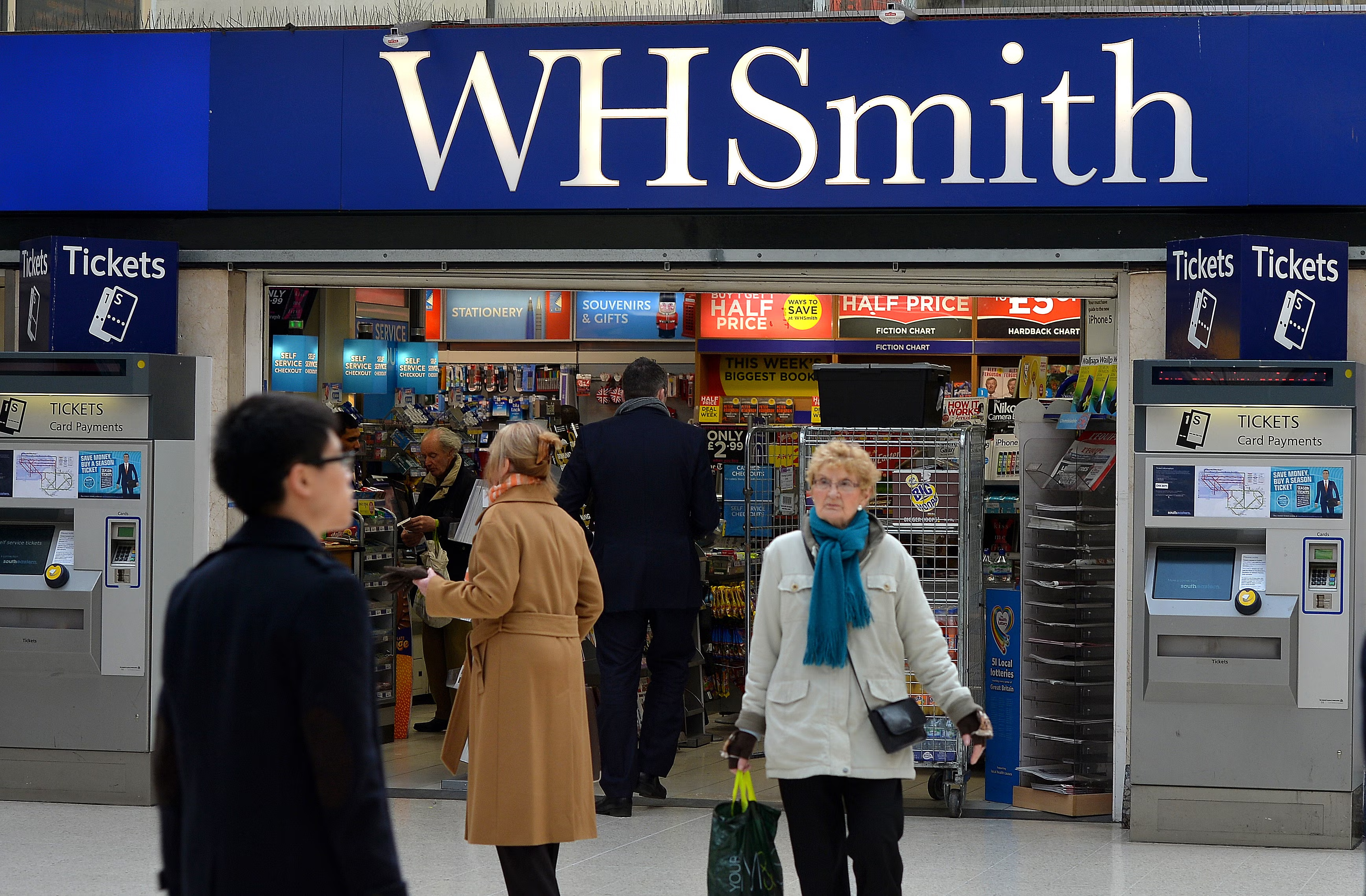
WH Smith had been a stalwart of the UK's high streets since opening his first shop in 1792, selling everything from detective fiction to sweets.
However, the brand disappeared from the high street after the group sold all of its UK high street retail stores to private equity firm Modella Capital to focus on its travel venues, where it will continue to operate under the brand.
As a result, Modella revealed plans to change the network's name to TGJones.
While advancing its efforts to sell the main branch, the group went ahead with the closure of 20 stores.
– Claire
The British subsidiary of fashion accessories company Claire's fell into receivership this year after its American owner filed for bankruptcy.
Modella Capital reappeared on the scene, reaching a deal to save 156 stores.
However, 145 stores, employing about 1,000 workers, were not part of the deal and closed as a result.
-Pizza Hut
In October, Pizza Hut confirmed that 68 of the brand's restaurants in the UK would close after the company that runs its franchise in the country went into administration.
It also closed 11 delivery sites as part of a restructuring that put 1,210 workers at risk of layoffs.
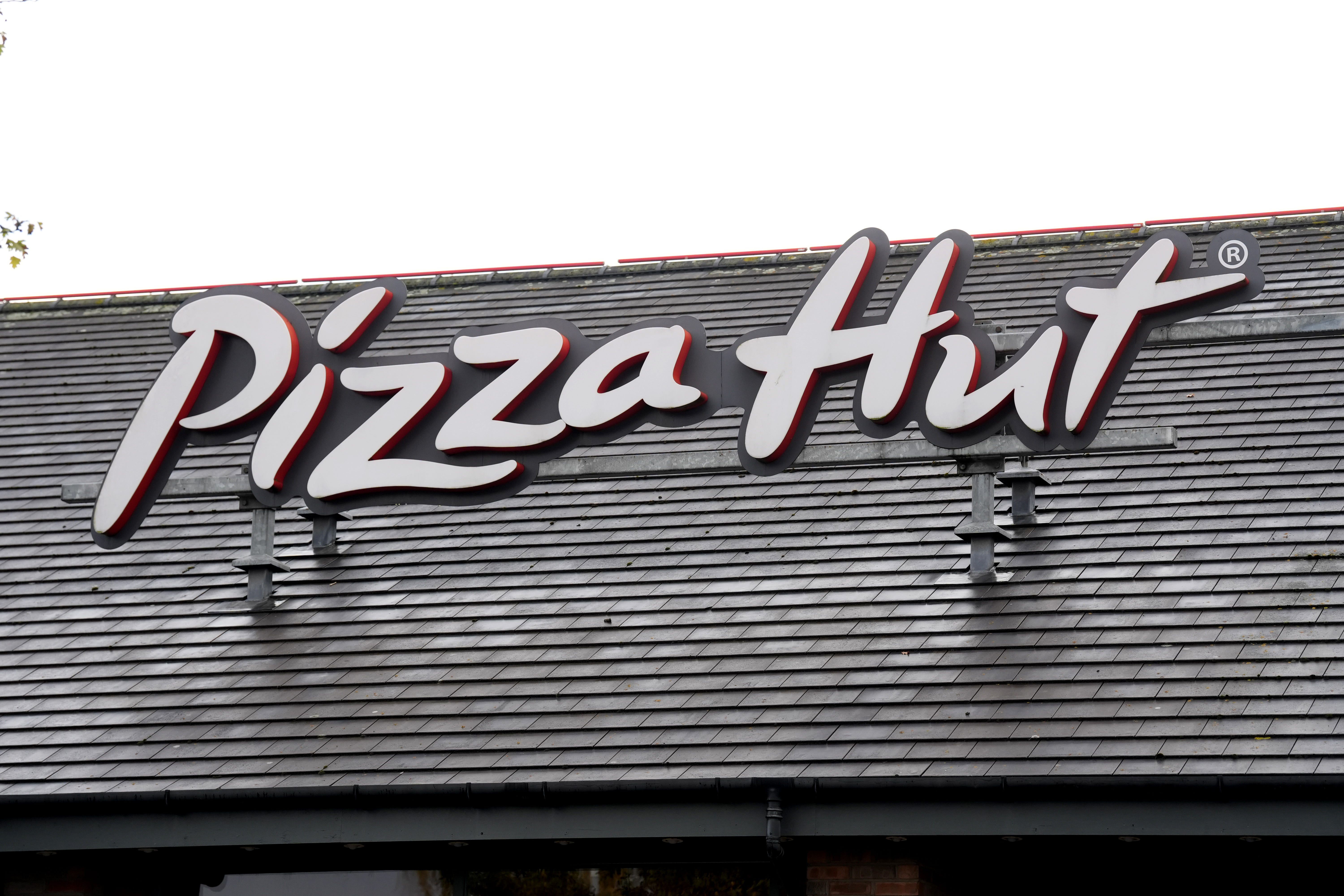
DC London Pie, the company that runs Pizza Hut restaurants in the UK, has appointed administrators after being hit by a slowdown in the sector.
American hotel giant Yum! Brands, which owns the global Pizza Hut business, bought the remaining UK restaurant operation in a rescue deal, saving 64 sites.
– Body care
Bodycare was one of the brands to disappear from the UK's high streets for good after closing its approximately 150 stores.
The retailer was founded in 1970 in Lancashire and sold beauty products, fragrances and other bathroom items.
At the start of this year it employed up to 1,000 people but came under pressure from rising costs and a funding shortfall, which also affected relationships with suppliers and caused stock shortages.
– Test clothing
Fashion chain Quiz closed 23 of its stores after entering administration in February, in a move that affected around 200 workers.
It closed the stores despite being bought in a pre-package management deal by an affiliate of the founding Ramzan family.
Quiz had started the year seeking emergency funding, but fell into insolvency after failing to secure a deal.
– Lion
León will close around 20 of its restaurants after launching a major restructuring in December.
The company said it will close the doors of the worst-performing store of its 71 stores.
It came after co-founder John Vincent bought back the group from supermarket group Asda.
– Select Fashion
Select Fashion was another chain that ceased trading in 2025, after the women's clothing business came under pressure from mounting losses.
The company closed its approximately 80 stores earlier this year and went into liquidation after failing to find a buyer.
– Base of operations
Home improvement company Homebase closed 65 stores between January and March after entering administration at the end of 2024.
Retail group CDS, run by The Range owner Chris Dawson, snapped up the brand but was unable to save all its stores.
Homebase bosses have said the last few years have been “incredibly challenging” for DIY stores, blaming “a decline in consumer confidence and spending” following the pandemic.
– New look
Elsewhere in retail, fashion chain New Look closed 15 of its UK stores during the year.
The group also revealed it would leave the Republic of Ireland, closing all of its 26 stores in the country, affecting 347 workers, as consumer spending slows.
–Starbucks
In September, Starbucks launched an overhaul that saw some of its coffee shops in the UK close.
The group did not reveal exactly how many sites it would close, but it closed 10 locations in October as part of the process.
– Earth shot
Luxury tile retailer Fired Earth went into receivership in October, leading to the closure of its 20 UK showrooms and 133 job cuts.
Rival Topps Tiles bought the Fired Earth brand, intellectual property, website and around £2.5m in shares, but was unable to save any of the chain's stores.
– Beer bars
Scottish craft brewery and bar company Brewdog closed 10 of its sites in July, including its first outlet in Aberdeen.
The closure plan, which was part of a restructuring of Brewdog's hospitality arm, put almost 100 jobs at risk.
–Monki
Earlier this year, European fashion giant H&M announced plans to close all seven of its stores under its Monki brand.
It said a “limited number” of these would be transformed into sister brand Weekday, but still closed several stores permanently.
– River Island
Retail chain River Island has closed 33 stores as part of a restructuring to help support its future.
The fashion group pushed through a formal restructuring plan amid fears the company could collapse into administration without taking action.
It also secured rent reductions at 71 other stores as part of the plan.
– Hobbycraft
In April, the arts and crafts retailer revealed plans to close nine of its stores, in a move it said would affect up to 126 workers.
It comes after Modella Capital bought the retail business last year.