The Strait of Hormuz is not yet fully open despite the ceasefire between the United States and Iran, according to the head of Abu Dhabi's state oil company.
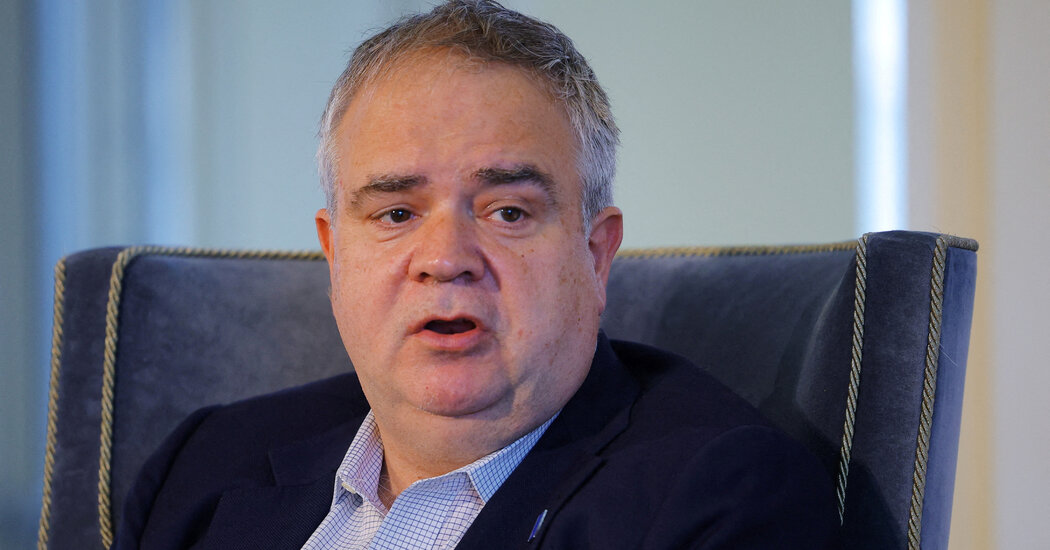
Sultan Al Jaber, chief executive of Abu Dhabi National Oil Company, said in a LinkedIn post that “access is being restricted, conditioned and controlled” through the world's most critical waterway.
“The weaponization of this vital waterway, in any form, cannot be sustained. This would set a dangerous precedent for the world, undermining the principle of freedom of navigation that underpins global trade and, ultimately, the stability of the global economy,” Al Jaber wrote.
“There are an estimated 230 ships loaded with oil and ready to set sail. They, and all ships following them, must be free to navigate this corridor without conditions. No country has the legitimate right to determine who can pass and under what terms. Iran has made clear – both through its statements and its actions – that passage is subject to permission, conditions and political influence. That is not freedom of navigation. That is coercion.”
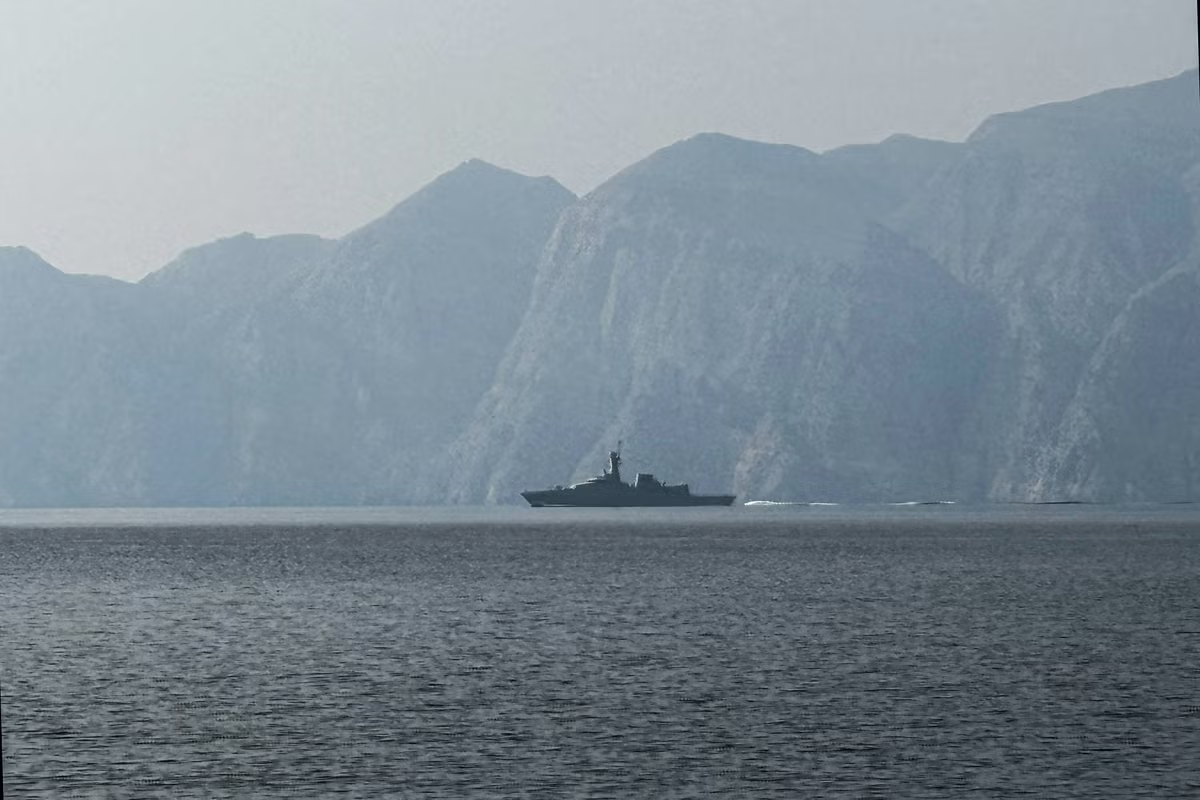
Iran effectively closed the Strait of Hormuz, a vital sea route that normally carries around a fifth of the world's oil and gas, after US and Israeli attacks in late February, leaving around 1,400 ships stranded on both sides.
However, despite the US-Iran truce agreed on Wednesday, which reportedly included reopening the strait, very few ships have actually moved.
This uncertainty has driven up energy prices and caused stock markets in Asia and Europe to fall, as fears grow that the truce is already breaking down and tensions could escalate again.
“Every day that the strait remains restricted, the consequences worsen. Supply is delayed, markets adjust, prices rise. The impact is felt beyond energy markets, in economies, industries and homes around the world. Every day matters. Every delay deepens the disruption,” Al Jaber wrote.
Asian stocks mostly rose on Friday, following gains on Wall Street, while oil prices also rose amid a fragile ceasefire in Iran and upcoming US-Iran talks. Major indices including South Korea's Kospi and Japan's Nikkei 225 posted strong gains, with Japanese retailer Fast Retailing rallying after raising its profit forecast.
London's FTSE 100, Hong Kong's Hang Seng and China's Shanghai Composite Index also rose, even as China reported softer-than-expected inflation.
Elsewhere, Australia's S&P/ASX 200 fell, while Taiwan and India posted modest gains.
Oil and gas prices have seen wild swings amid the current uncertainty. Brent crude jumped more than 4 percent to over $99 a barrel on Thursday, while U.S. crude rose 8 percent to over $102, reversing a sharp drop the previous day when Brent had fallen more than 13 percent to a four-week low.
“The initial wave of relief following President Trump's two-week ceasefire announcement has quickly given way to underlying doubts,” said Tony Sycamore, market analyst at IG Australia.
“All eyes remain on tanker tracker flows through the Strait of Hormuz for signs of increased activity ahead of scheduled peace talks in Pakistan.”
Gas markets showed a similar pattern, with UK gas prices rising after a 15 percent drop, and European natural gas futures recovering from recent lows.
Tensions remained high as Iran's Revolutionary Guard Corps warned of a “response that would provoke regret” if Israel continued its attacks on Lebanon, which have already caused numerous casualties.