Experts have warned of another “twist” in the cost of living story in the coming months, as war in the Middle East sends energy bills soaring.
The Consumer Price Index (CPI) inflation rate has been gradually declining towards the Bank of England's 2 per cent target level since last summer.
Some analysts expect the CPI to have remained relatively stable in February, or to have declined slightly, from the three percent level recorded in January.
Official figures for last month will be published on Wednesday.
Economists at Deutsche Bank and Pantheon Macroeconomics said they expect the CPI to remain stable at three percent in February, with lower fuel and services inflation offset by higher clothing prices and airfares.
Edward Allenby, senior economist at Oxford Economics, said he believes CPI inflation fell to 2.8 percent in February, largely thanks to an expected drop in oil prices and slower inflation in the services sector.
Analysts at Barclays said they expect the headline rate to fall to 2.9 percent, also partly due to lower pump prices during the month.
But Sanjay Raja, chief economist at Deutsche Bank in the United Kingdom, said the outlook for inflation “has rarely been more uncertain than now.”
He wrote in a research note: “We expect the UK's disinflation story to take another turn on its (eventual) path to the target.
“The good news is that the CPI is still expected to decline in the coming months.
“The bad news? Rising energy prices appear poised to significantly lift the CPI over the summer, adding yet another headwind to the inflation profile.”
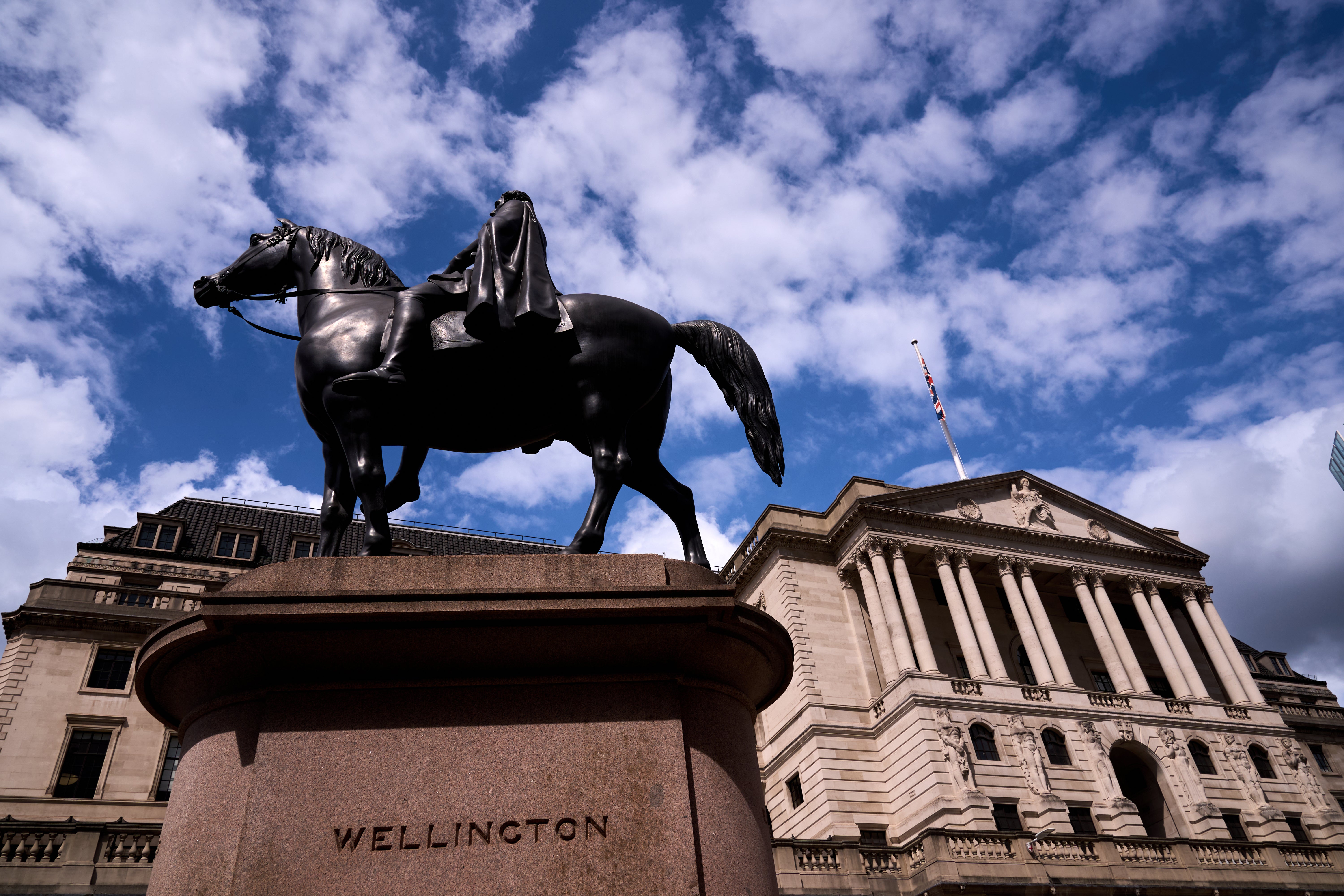
Economists have been trashing earlier projections in recent days and warning that the US-Israel war with Iran has clouded the economy's outlook.
The Bank of England said on Thursday that recent increases in wholesale energy costs would delay the return of CPI inflation to target as it was already seeing higher fuel prices.
It now expects inflation to be around 3 percent in the second quarter of 2026, up from 2.1 percent forecast in February.
Central bankers stressed that the situation is volatile and that events over the next six weeks could shed light on the magnitude of the disruption and the impact on prices.
Economists have weighed in with their own projections for where inflation could go if things persist.
Allenby said he now expects CPI inflation to exceed four per cent during the second half of 2026.
“Based on our updated assumptions, we now anticipate a much steeper rise in petrol prices, while higher wholesale gas prices cause a 19 per cent rise in Ofgem's energy price cap in July,” he said.
Pantheon Macroeconomics agreed that if the latest rise in gas prices holds, then the CPI could be heading towards four percent by the end of this year.