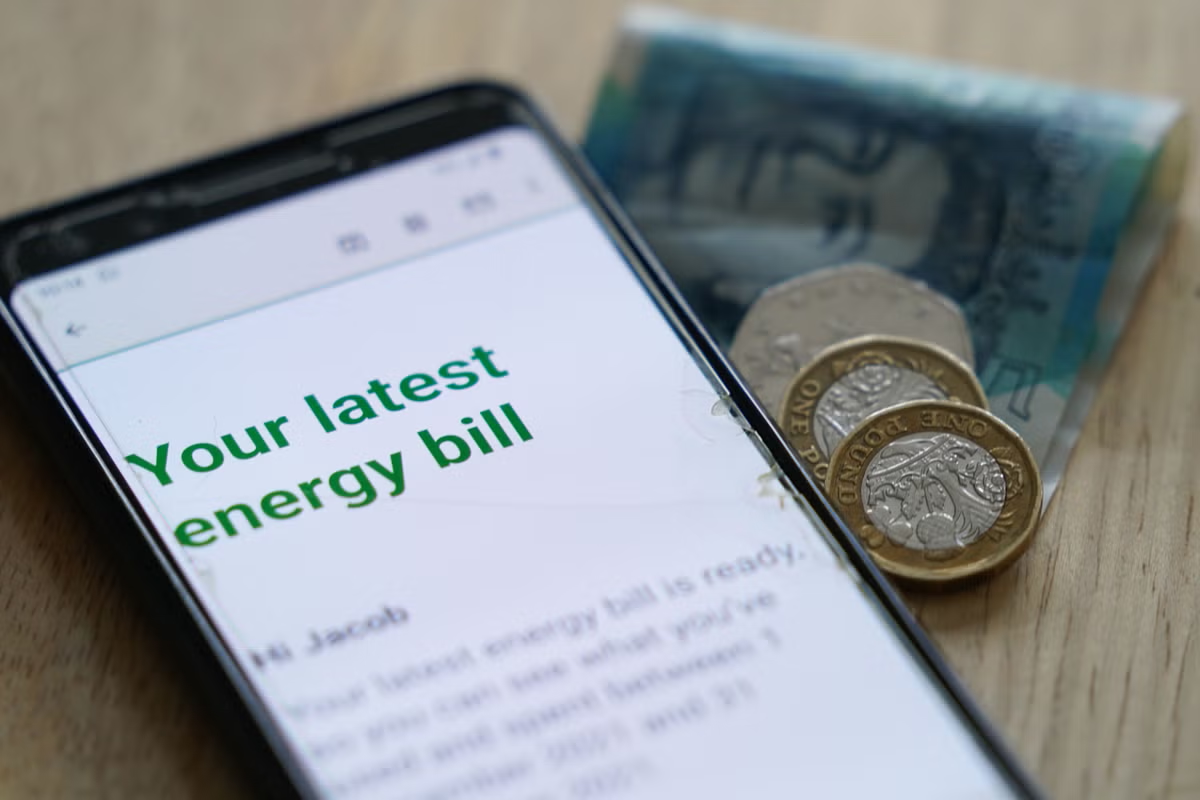
Many households' energy bills will rise on Thursday, just as a series of cold health alerts have been issued across large parts of the UK.
The 0.2% increase in Ofgem's energy price cap will equate to an increase of around 28p a month for the average household in England, Wales and Scotland remaining on a standard variable tariff.
This equates to an average overall bill of £1,758 a year, up from £1,755 today.
The regulator said funding for nuclear energy projects and discounts on some households' winter bills were driving the increase, which it announced in November.
This included funding the government's Sizewell C nuclear power plant in Suffolk, with an average of £1 added to each household's energy bills per month during the £38bn construction.
The rise in permanent charges – the amount consumers pay per day to have power supplied to their homes – was also largely due to costs linked to the government's Warm Homes Discount scheme.
Around 2.7 million more low-income households, including 900,000 families with children, will be able to benefit from the £150 discount this winter.
However, the regulator said the new price cap was £37 less than a year ago when adjusted for inflation.
Ofgem's price cap sets a maximum rate per unit and a standing charge that can be billed to customers when they are not on a fixed rate.
It does not limit total bills because households continue to pay for the amount of energy they consume.
The price cap increase comes just as a yellow warning for snow and ice was issued for parts of Scotland north of the central belt from 6am on New Year's Day until midnight on January 2.
Meanwhile, amber cold health alerts have been issued for the North East and North West of England, which will remain in place until midday on January 5, with temperatures expected to fall to 3-5C.
The UK Health Security Agency (UKHSA) has issued yellow cold health alerts for London and the east, south-east and south-west of England, as well as the East and West Midlands and Yorkshire and the Humber.
Simon Francis, convener of the Coalition to End Fuel Poverty, said: “It really is a case of all things not helping as households endure a fifth winter in the energy bill crisis. Small moves in the price cap still hit families hard when choosing between heating and food.
“People continue to live in cold, damp homes, where the risks go beyond discomfort and pose real danger, including exposure to carbon monoxide. Younger adults, private renters and households with children are among those most at risk, as people reduce their heating use, delay repairs and try to block drafts just to stay warm.
“Meanwhile, the wider energy industry has made more than £125 billion in profits in the UK since 2020, including companies operating in a dying North Sea. This is not a crisis of scarcity, it is a crisis of priorities. Ministers must go beyond short-term price cap adjustments and get serious about ending energy poverty by investing in energy efficiency, reforming energy prices, introducing a fair social tariff and fully financing the Warm Homes Plan”.
Which? Energy editor Emily Seymour said: “As we approach the coldest months of the year, many households will be concerned that the energy price cap will rise slightly in the new year.
“There are several deals on the market below the maximum price, so now is a good time to shop around if you're looking to fix it up. As a general rule, we recommend looking for deals cheaper than the current maximum price, that last no longer than 12 months and without significant exit fees.
“If you are on a variable tariff, make sure you submit a meter reading to ensure you pay the cheapest rates for any energy used before the new price cap comes into effect.”